
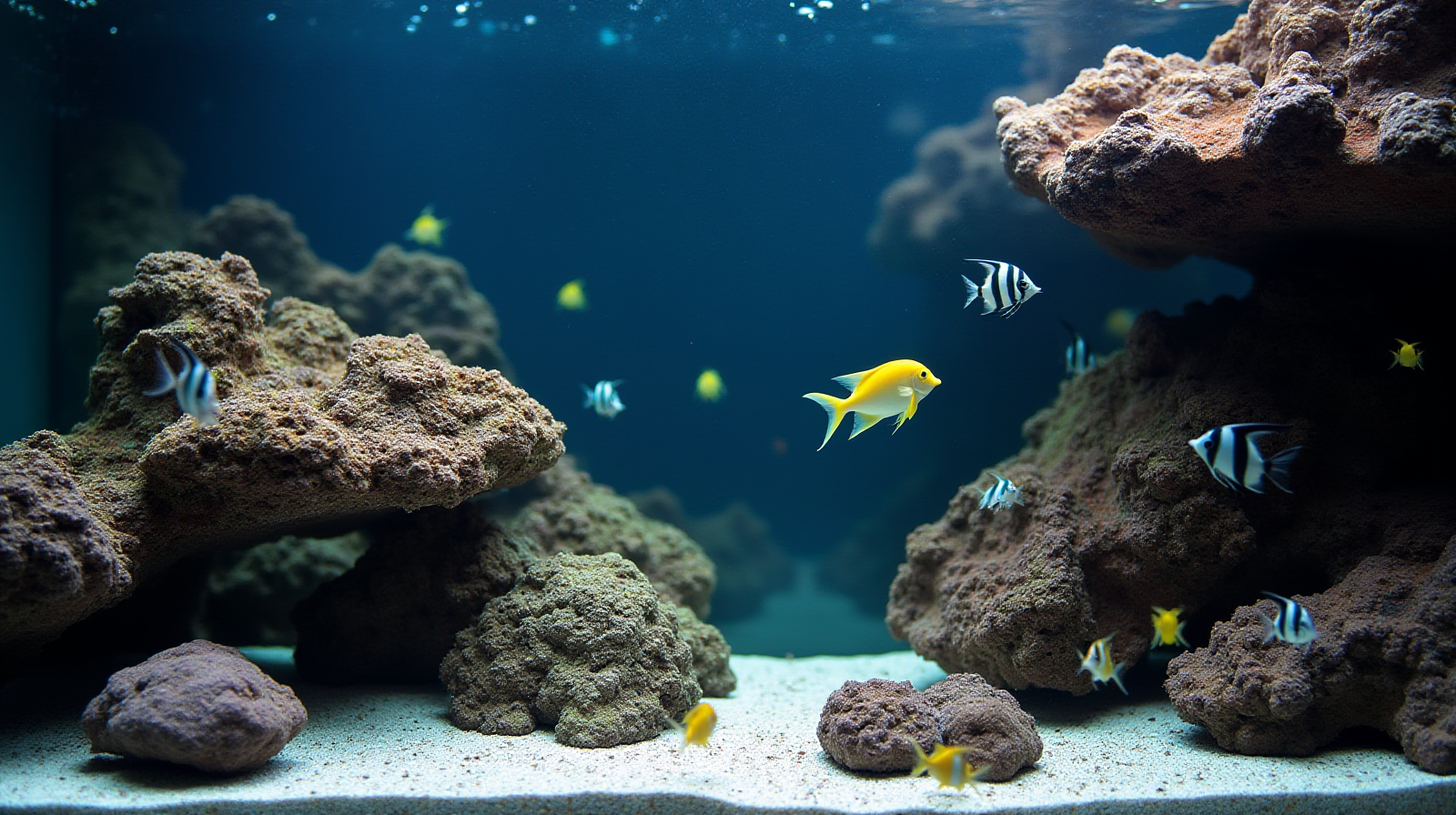
Thinking About a Blackcap Basslet for Your Reef Tank?
Written by Diamond Dave — September 19, 2026
A practical look at keeping these guys in a small community setup.
The newsletter for intermediate reef keepers who want to add character without overcomplicating their smaller saltwater space.
Before you buy: What are these guys really like?

If you’ve been scrolling through reef photos and caught your eye on a Blackcap Basslet, I can tell you exactly why they’re so popular. They have that classic “personality” fish look—they aren’t just hovering in one spot; they move with purpose. People love them because they are active and their colors pop against the blues and greens of a reef setup.
In my experience, these guys are great for keeping a tank looking “alive.” They don’t have that frantic, twitchy energy some smaller damsels have, but they aren’t slow-moving grazers either. They’re bold enough to be seen, but they aren’t aggressive bullies in most cases. However, keep in mind that while they are hardy compared to some of the more finicky reef fish, they still require a stable environment. They thrive when they feel secure. If you want a fish that looks like it knows what it’s doing and has a bit of character, these are a solid choice for your community tank.
Tank size is not optional, it’s necessary.
One thing I wish more people understood before heading to the local fish store is that “small” is relative in the reef world. While a Blackcap Basslet might be small enough to fit into a nano-tank physically, they aren’t a “filler” species. They need room to establish a territory and navigate without constantly bumping into glass or ornaments.
I generally recommend at least a 30-gallon tank for these guys if you want them to thrive long-term. A 20-gallon long is the absolute minimum, but even then, it has to be well-established with plenty of water volume and stable parameters. If your tank is too small or lacks enough “room” in terms of swimming space, they can become stressed, which leads to nipping at tankmates or just generally sluggish behavior. Don’t let the “small fish” label fool you into thinking a 10-gallon is sufficient; give them some breathing room so they don’t feel like they’re living in a closet.
Designing their little corner: More than just rockwork.
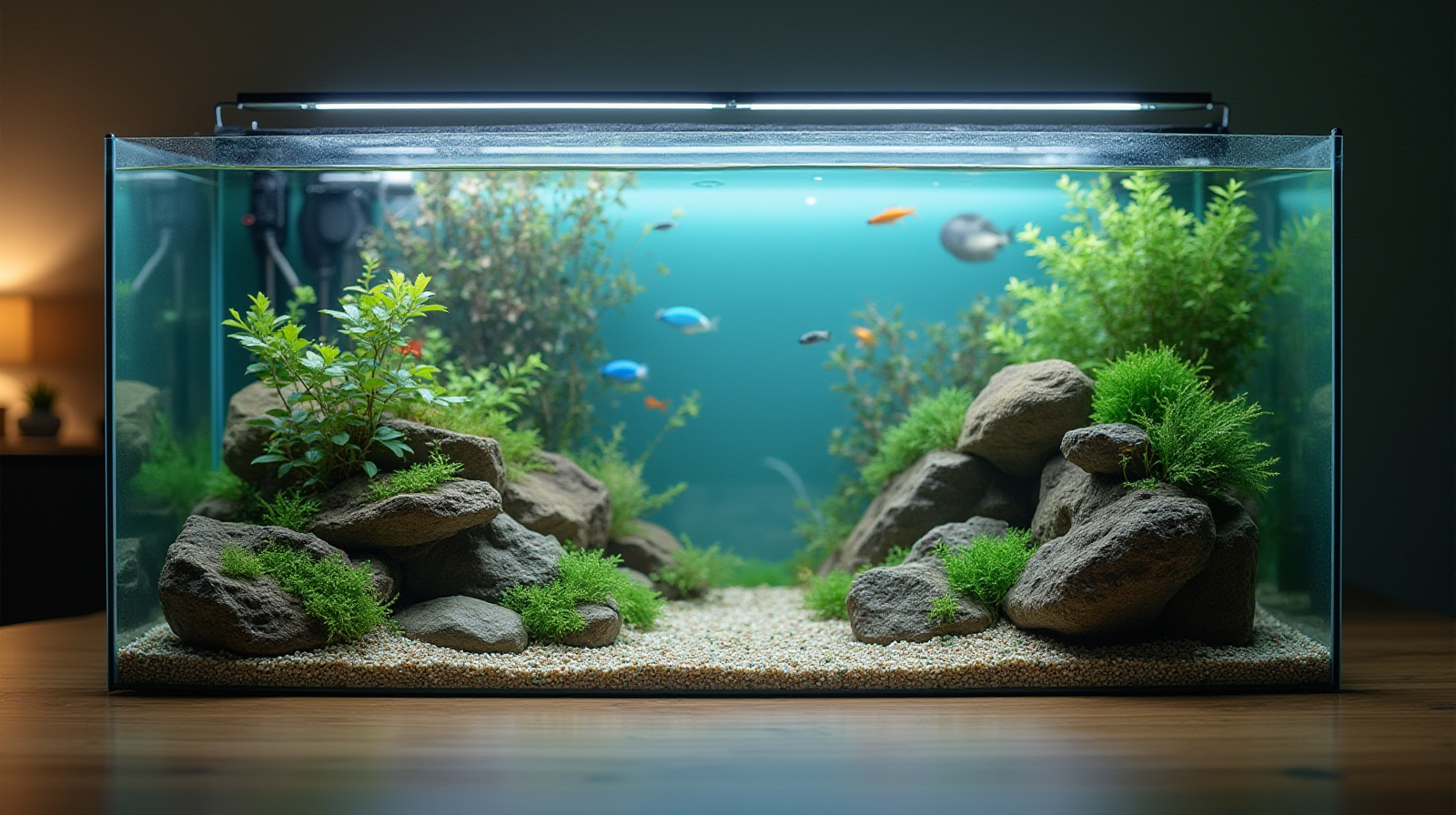
A common mistake I see beginners make is building a beautiful coral scape but forgetting that fish need “architecture.” For a Basslet, the layout isn’t just about aesthetics; it’s about providing them with a sense of security. They don’t want to be out in the open where they feel exposed to predators (or even just their own nerves).
When you’re setting up their area, focus on these three things:
- Broken Lines of Sight: Ensure there are plenty of caves and crevices so they can “disappear” from view if they get spooked.
- Shaded Retreats: Not every part of the tank needs to be under high-intensity light; some areas should have overhangs where they can tuck away.
- Complex Texture: Use a variety of rock types and live rock structures. A flat, smooth surface is less interesting than a craggy one with nooks for them to explore.
If you’re struggling with how to arrange your rocks to create these specific hiding spots, our guide library has some good visual layouts to help you plan the layout before you move the heavy stones.
Feeding tips that keep them happy (and prevent overfeeding).
Feeding reef fish is a balancing act. Because they live in a community environment, it’s easy to fall into the trap of “over-treating” them with food because they are active eaters. You want to feed them enough so they stay healthy and vibrant, but not so much that you end up with algae blooms or ammonia spikes in your system.
I recommend a multi-pronged approach:
- Variety is key: Use high-quality micro-pellets for daily meals, as these are easy for them to grab.
- Frozen treats: Once or twice a week, offer something like mysis shrimp or brine shrimp. This provides different nutrients and mimics the variety of food they’d find in the wild.
- The “Five Minute” Rule: They should finish what is offered within about five minutes. If food is still sitting on the bottom after that, you’re feeding too much or too often.
Consistency matters more than quantity. Stick to a regular schedule so they know when to expect food; this reduces their stress and keeps their digestion steady.
Comparing the Basslet vs. the Royal Gramma.
If you’re looking for a small reef fish but aren’t sold on the Blackcap Basslet, the Royal Gramma is often the go-to alternative. They are both great choices, but they offer very different experiences in a community tank.
The choice usually comes down to how much “interaction” you want from your fish:
- Blackcap Basslets: These are more active and tend to roam their territory more freely. They have a bit more of an adventurous personality.
- Royal Grammas: These are the “homebodies.” They will often pick one specific cave or rock and stay there for hours, only coming out to grab food.
| Feature | Blackcap Basslet | Royal Gramma |
|---|---|---|
| Activity Level | Moderate/High | Low (Stay in “home base”) |
| Personality | Curious & Active | Reserved & Territorial |
| Coloration | Bold, high-contrast | Subtle, earthy tones |
| Best For | Owners who want to see the fish move around. | Owners with limited swimming space but great rockwork. |
Ultimately, if you have a larger tank and want a bit of movement, go with the Basslet. If you have a smaller footprint where they’ll be spending most of their time in one spot, the Royal Gramma is a very reliable choice.
Source: Saltwater Aquarium Blog
Get new newsletter issues, guides, and product updates by email.