
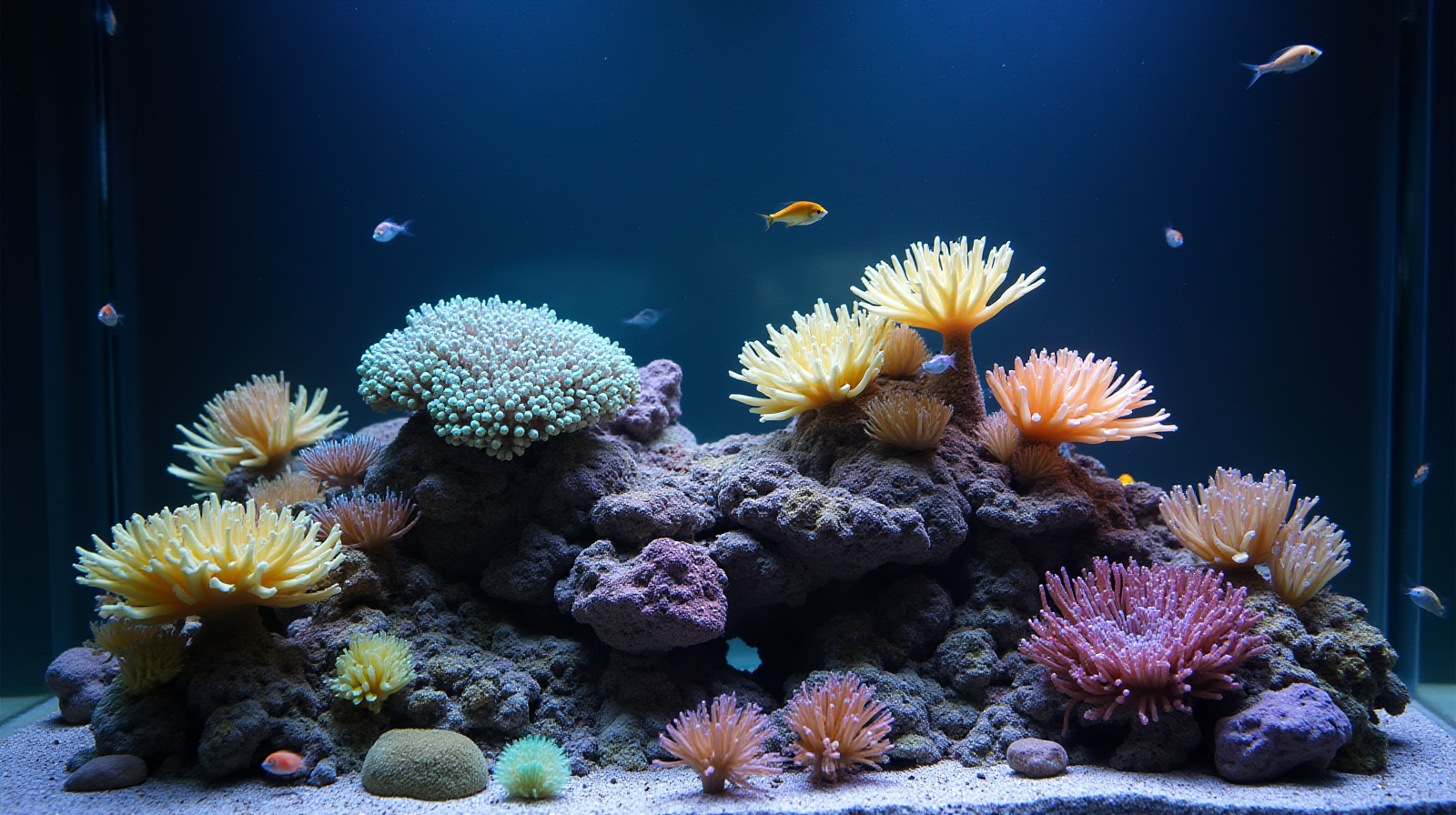
Pistol Shrimp Buddies: Beyond Just Gobies
Written by Diamond Dave — September 17, 2026
Looking at the more unusual shrimp pals for your reef setup.
The newsletter for experienced saltwater keepers who want to add a little bit of natural drama without buying questionable livestock combinations.
Starting simple: What are we even talking about here?
If you’ve spent any time around reef tanks, you’ve probably seen a pistol shrimp and its goby partner. It’s a classic duo for a reason—they work well together, they’re relatively hardy, and that “buddy system” is a great way to introduce some behavior into your tank. But as many of us move past the beginner phase, we start looking at different types of pistol shrimp. While gobies are the standard choice because they are easy to find and keep, other species offer different aesthetics and behaviors. Some prefer the company of hard corals or specific rock structures, while others have much larger physical profiles that require more specialized space. We aren’t just talking about “another shrimp” here; we are looking at how different pistol shrimp varieties change what you need from your reef layout to keep them healthy and active over the long haul.
Coral buddies vs. Anemone hangers-out
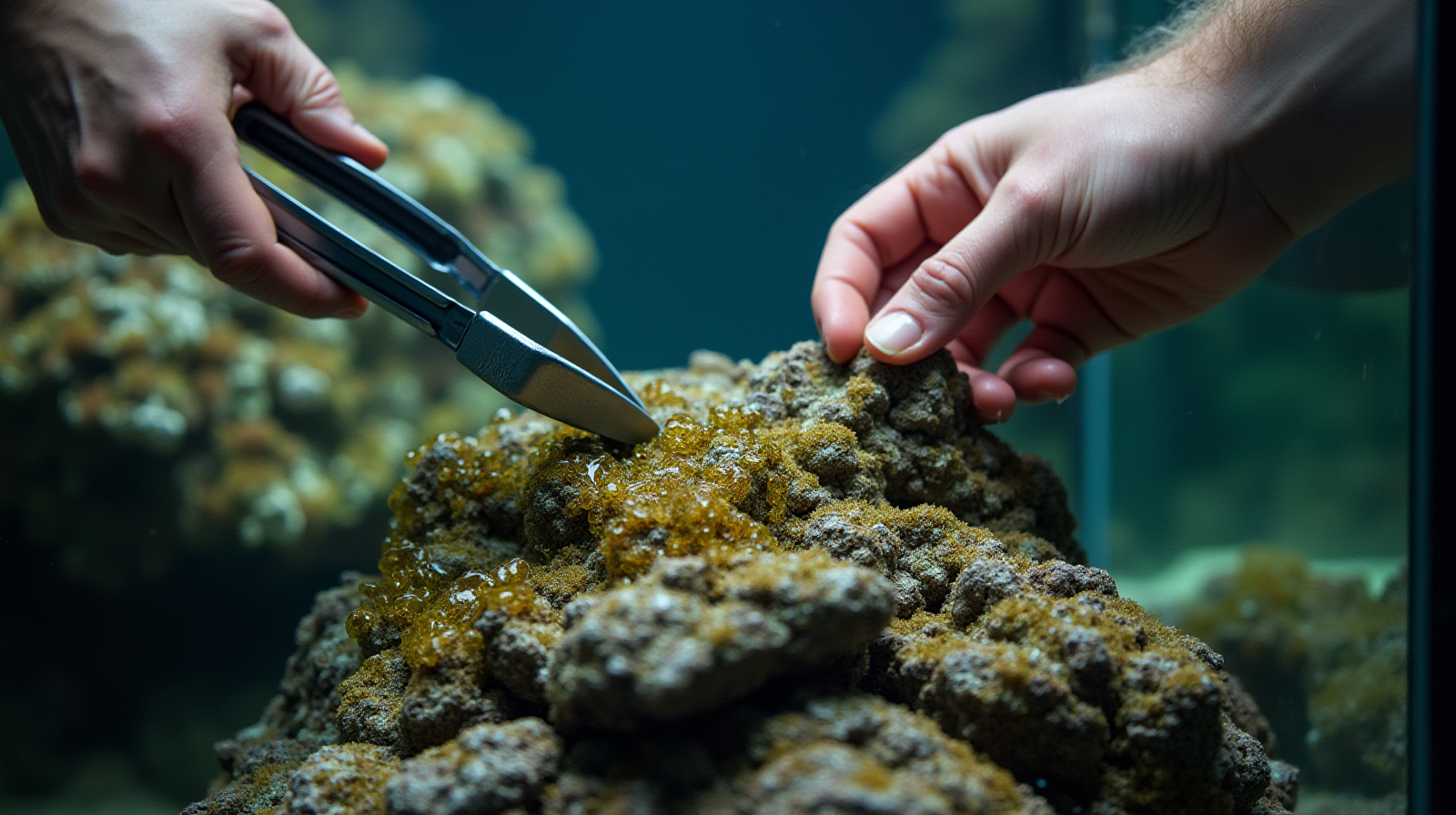
When you move beyond the standard goby pairing, you have to look closely at where these shrimp actually want to live. Some species are naturally associated with hard corals (like Acropora or Montipora), while others are found in areas where anemones are present. This isn’t just a matter of “looks.” A shrimp that spends its life tucked into the crevices of a massive coral colony has different needs than one trying to navigate around stinging tentacles.
For example, if you are housing a species known for living near hard corals, your reef structure needs more intricate nooks and crannies. They need solid hiding spots where they won’t get swept away by high flow. On the other hand, some larger pistol shrimp have been observed in areas with anemone activity. These guys often require much deeper “home bases” because their physical size makes them more vulnerable to being tossed around. You have to decide what kind of environment you want to build—a dense, complex coral thicket or a broader reefscape with deep caves and large tunnels.
| Shrimp Type | Preferred Habitat | Key Requirement |
|---|---|---|
| Standard/Goby-linked | Rockwork & Sanded Bottoms | Close proximity to a host fish. |
| Coral-associated | Hard Coral Crevices | High structural complexity, low “dead space.” |
| Large/Tunneling types | Deep Caves & Large Tubes | Significant physical volume and stable sand beds. |
The big claw setup: Tunneling and space considerations
Once you start looking at the larger species—like those often referred to as having “big claws”—the requirements for your tank’s layout change significantly. These aren’t just small critters hiding in a crack; they are active excavators. If you want to keep these types of shrimp, you can’t just give them a piece of dead coral and call it a day. They need space to tunnel into the substrate or move through large pipes and structures.
In my experience, if you don’t provide enough “real estate,” these larger species tend to get stressed by their own size; they feel trapped in small spaces and can become more aggressive or less active. You want to think about your layout like a series of interconnected rooms. Instead of one big open area, try to create a maze where the shrimp can retreat into deep tunnels if they feel threatened. This is especially important for larger varieties that need room to turn around. If you’re building out your hardscape, adding some 3D-printed structures or custom pipes can give them those extra “rooms” they need to feel secure enough to come out and forage.
How to bring them home (without drama)
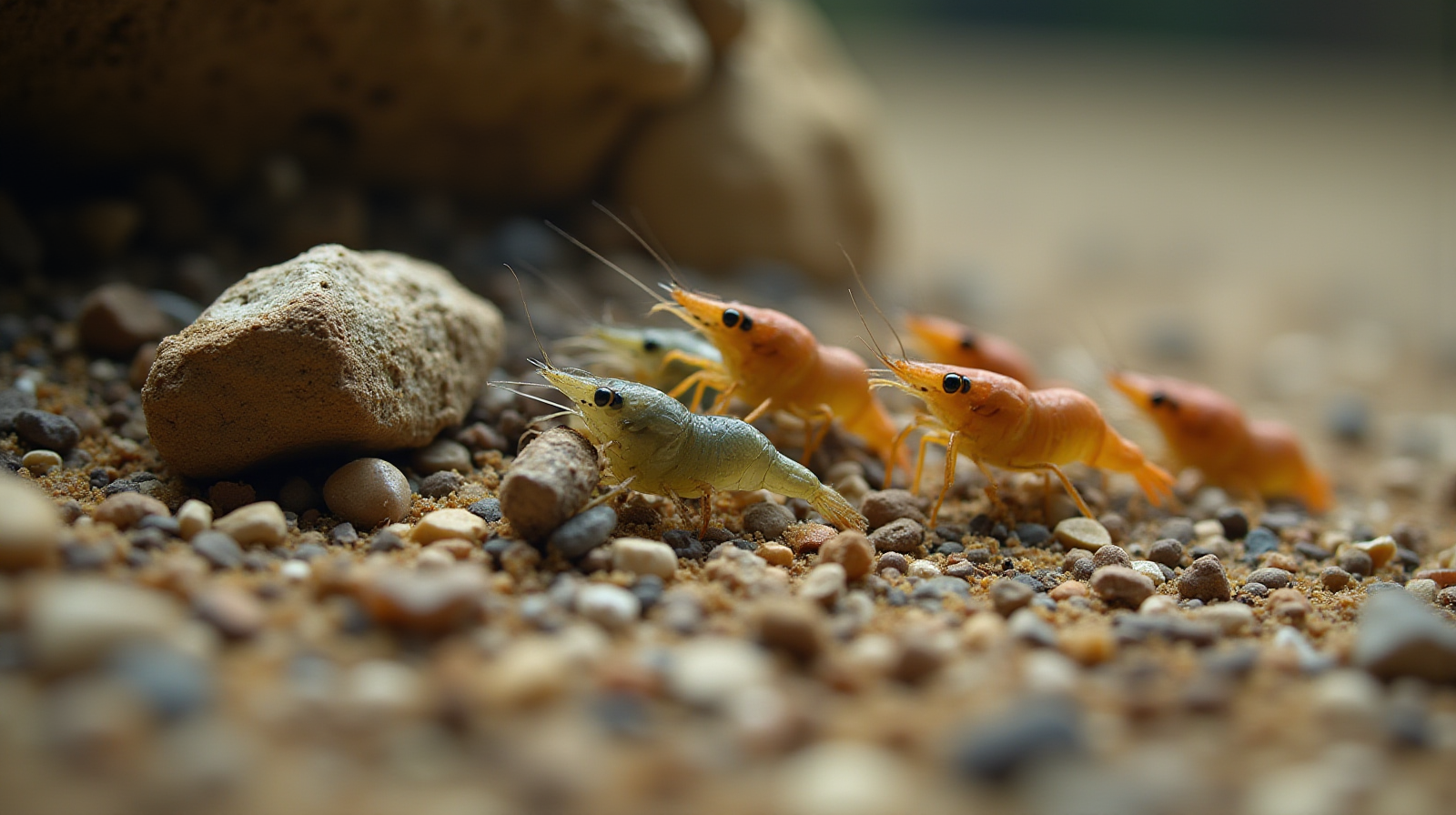
Getting these shrimp into your system without causing a spike in stress is the most important part of the process. Because many of these specialized species aren’t as common in standard pet stores, you often end up sourcing them from local reefers or specialty importers. The best way to get them safely into your tank is usually via “hitchhiking.” If you are buying a piece of live rock or a coral fragment that already has the shrimp living on it, leave it alone during the acclimation process as much as possible.
When moving them from one container to another, try to keep the water chemistry—specifically temperature and salinity—as steady as possible. Don’t move them into a “new” environment all at once; let them adjust to your water parameters slowly over an hour or two. Once they are in their new home, give them a few days of peace. They need time to find their favorite hiding spots before you start worrying about whether they are coming out to eat. A stressed shrimp will stay buried for days, and it takes some patience to let them feel comfortable enough to establish their territory.
Keep it stable: Common pitfalls for advanced symbiosis
The biggest mistake I see people make when moving into more specialized livestock is trying to do too much at once. When you bring in a larger or more “specialized” pistol shrimp, your tank’s stability becomes even more critical. These aren’t the “hardy-enough-to-handle-a-swing” types of fish; they are sensitive to chemistry spikes that a common goby might shrug off.
Common pitfalls include:
- Overstocking: Just because you have a large enough tank doesn’t mean it can handle too many high-activity shrimp at once. They need space to roam without bumping into each other constantly.
- Rapid Transitions: Adding them all at once after moving them from another tank causes a massive stress spike that can lead to long-term health issues.
- Inadequate Hiding Spots: If they don’t feel 100% safe in their “home base,” they won’t forage properly, and you’ll never see what they’re doing.
Keep your parameters steady, introduce them slowly, and ensure the physical layout matches their specific needs before they ever cross the threshold of your tank. If you want to take a closer look at how to build out those complex hiding spots or “rooms” for larger species, check out some of the specialized structures in our shop.
Source: Reefs.com
Get new newsletter issues, guides, and product updates by email.