
Making the Bottom Interesting: Kuhli Loaches in Your Tank
Written by Diamond Dave — November 17, 2026
How to keep these bottom dwellers active and integrated without turning your tank into a loach buffet.
The newsletter for planted tank keepers who want their aquascape floor to look naturally lived-in, not just decorative.
What are these guys doing down there anyway?
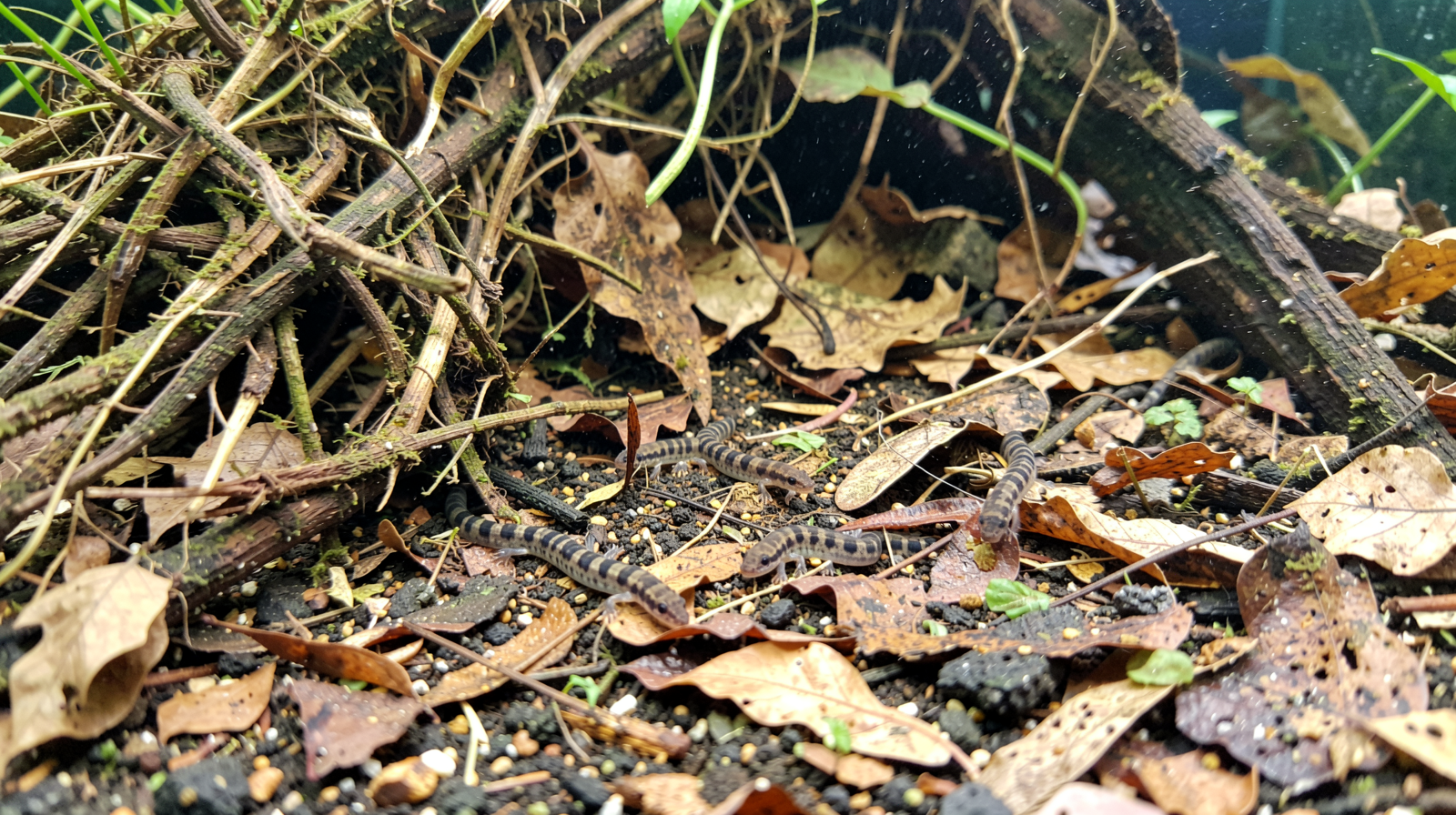
If you’ve ever watched a Kuhli loach and thought they were just lazy bottom-dwellers sitting on the sand, you’re missing half the story. In their natural habitat—usually leaf litter in slow-moving streams—these guys are constant foragers. They aren’t just “sitting” there; they are actively exploring. Think of them like little underwater worms with a bit more personality. They use their elongated bodies to weave through crevices and under debris, looking for small invertebrates or bits of organic matter.
When you put them in your tank, that behavior translates into constant movement across the substrate. They love to “snake” around, using their sensitive whiskers to feel out the terrain. If they aren’t moving, it’s usually because they don’t feel safe or there isn’t enough interesting texture for them to investigate. Understanding that their “job” is to be active foragers helps you realize why a flat, barren bottom is actually a pretty miserable place for them to live.
Keeping them happy in your planted tank
One of the reasons I like Kuhli loaches is how well they fit into a natural-looking setup. They aren’t flashy like some community fish, but they add a lot of life to the “floor” of the aquarium. To keep them happy, you have to think about two things: company and cover. These are social creatures; if you only have one or two, they tend to get skittish and might hide all day long. I usually recommend keeping them in small groups—at least three or four—so they feel comfortable enough to come out and explore together.
Because they are naturally shy, “shelter” is a non-negotiable requirement. They need places to retreat when the lights come on or when you’re moving around the room. A mix of driftwood pieces, smooth stones, and dense plants provides that security. In a planted tank, these loaches act as little gardeners, poking through the roots and finding bits of waste that might otherwise rot. They help keep your biotope looking lived-in rather than staged.
Feeding the drama—and keeping it contained
Feeding Kuhli loaches can be a bit of a balancing act because they are such efficient foragers. If you just toss in a handful of flakes, they’ll grab what they can and leave the rest to rot on the bottom, which creates an ammonia spike. The goal is to encourage them to hunt while ensuring they actually get enough calories. I find that a variety of sinking pellets and high-quality wafers works best because it forces them to interact with the substrate.
To keep things clean, try these practical habits:
- Frequency: Feed small amounts twice a day rather than one large meal. This keeps their metabolism steady and reduces waste.
- Variety: Rotate between sinking pellets, crushed-up bloodworms (frozen or freeze-dried), and occasionally some high-quality wafers.
- Observation: If you see food sitting on the bottom for more than 20 minutes after they’ve finished “hunting,” you’re overfeeding.
Keeping their bellies full but not bloated is key. Overfeeding leads to water quality issues fast, which is the quickest way to stress out a sensitive species like these guys.
The common mistakes I see people make
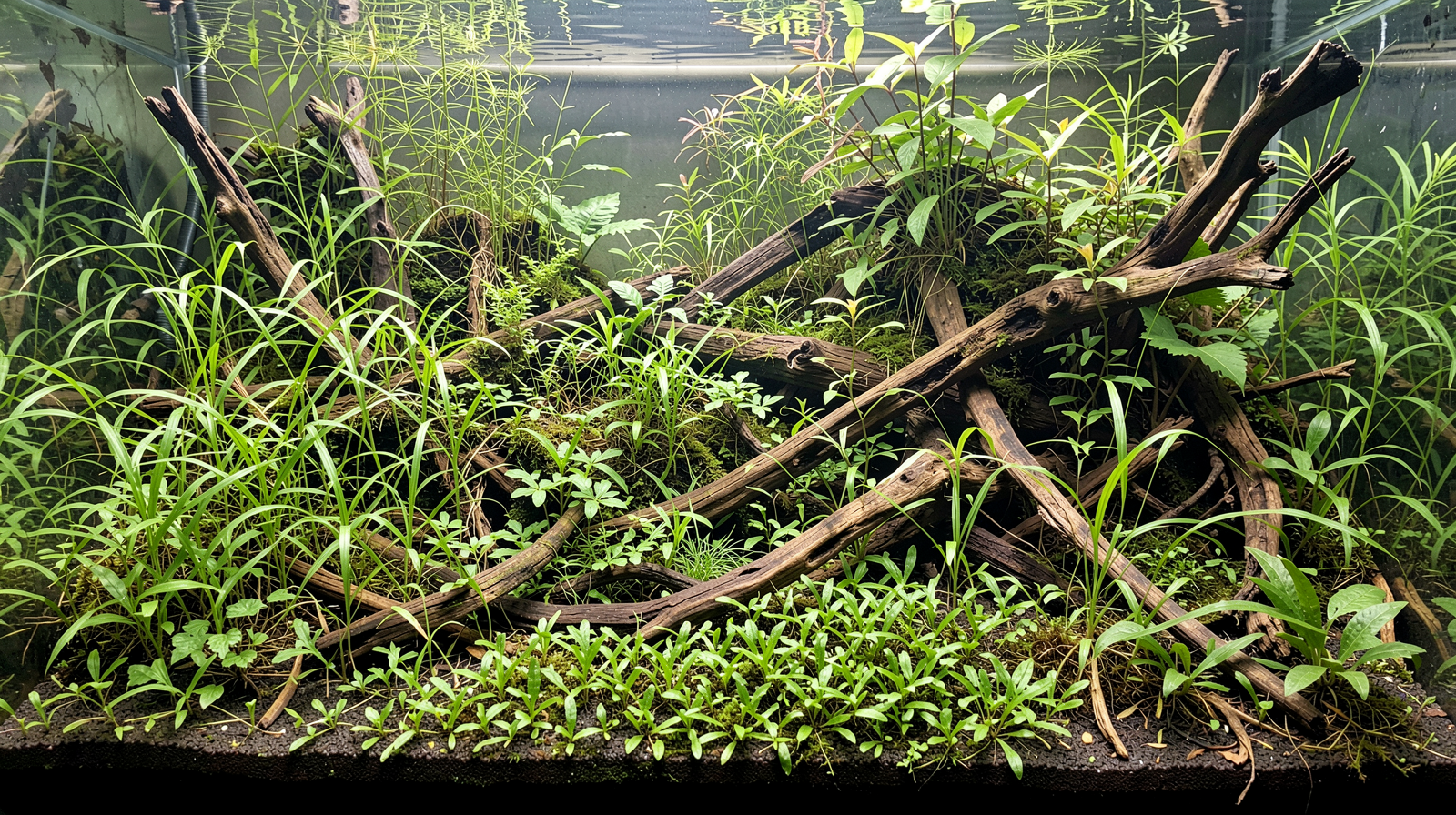
I see a few recurring themes when folks bring Kuhli loaches into their setups for the first time. The biggest one is trying to keep them in a tank that’s too “minimal.” If you have just sand and no driftwood or heavy planting, they will spend 90% of their time hiding in a corner because they feel exposed. They need structural complexity to feel at home.
Another mistake I see often involves the substrate choice. While many loaches like sand, if that sand is too deep or too coarse, it can actually make it harder for them to navigate or find food. You want something they can move through easily but won’t get stuck in. Lastly, people often underestimate how much they need “stuff” on the bottom—not just rocks, but actual debris like leaf litter or wood. Without those textures to investigate, their natural behavior is stifled, and they end up looking sluggish rather than active.
Making the bottom look natural (and healthy)
To keep a loach-friendly tank healthy, you have to mimic some of the “messy” parts of nature without letting it get out of control. In my experience, incorporating dried Indian almond leaves or oak leaves is one of the best things you can do for Kuhli loaches. It gives them something to forage in and provides a natural source of tannins that many fish enjoy. However, this means you have to be diligent about maintenance.
You don’t want to strip every single leaf out during a water change—that would be counterproductive—but you do need to manage the decay. Here is how I handle it:
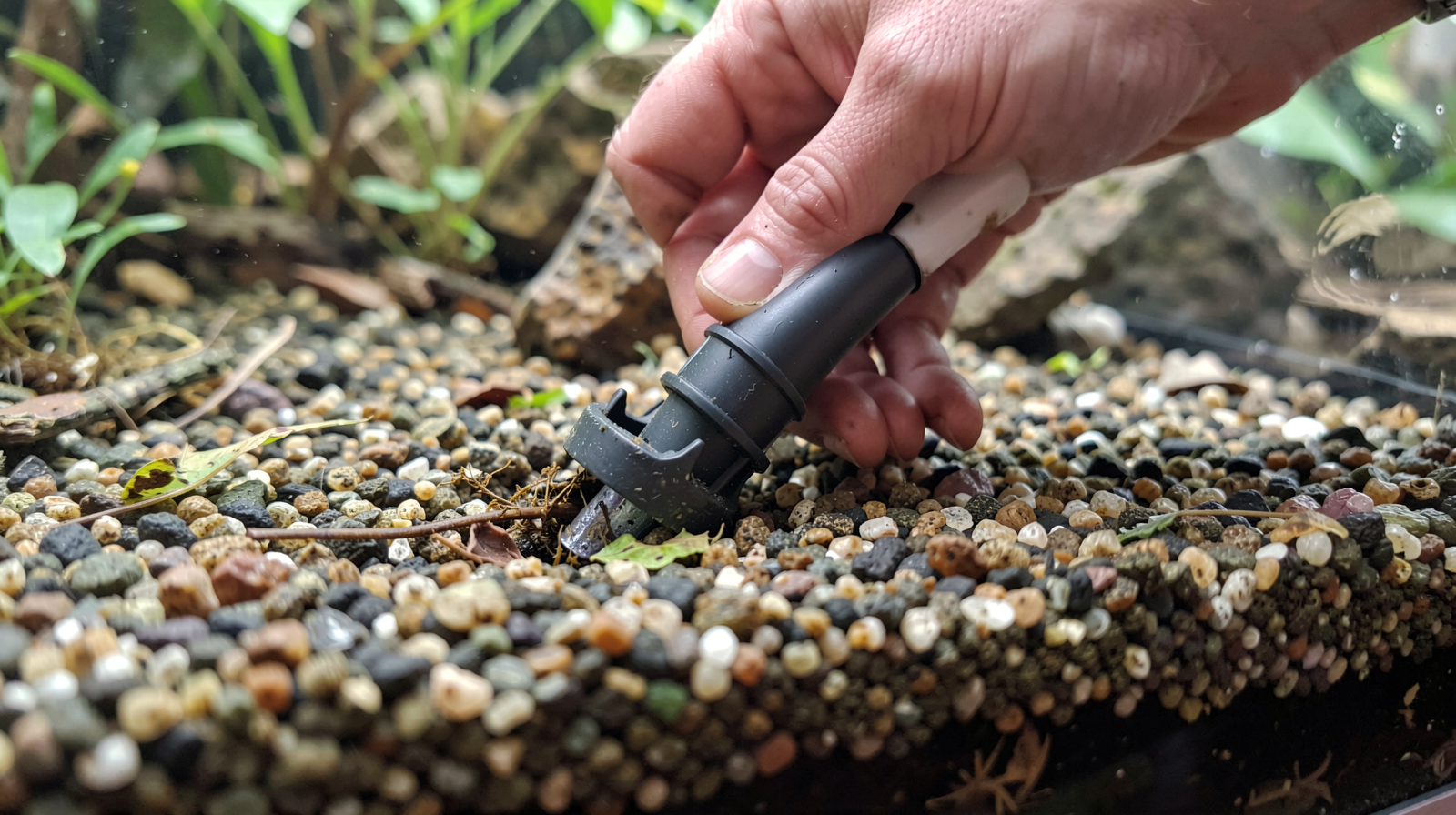
- Selective Vacuuming: Use a gravel vacuum to clear out heavy waste and decomposing bits from between your rocks or wood, but leave some of the “healthy” organic matter alone.
- Leaf Rotation: If a leaf has completely disintegrated into mush, pull it out and replace it with a fresh one.
- Flow Management: Ensure your filter isn’t creating a current so strong that it constantly flips over your decor or keeps the substrate in a state of constant upheaval.
By balancing these elements, you create a cycle where the loaches have a “wild” environment to explore while your water parameters stay stable.
Source: Aquatic Arts
Get new newsletter issues, guides, and product updates by email.