Making a Little Corner for Your Blue Eye Rainbowfish Crew
Written by Diamond Dave — November 16, 2026
How to design your planted tank around behavior, not just pretty colors.
The newsletter for intermediate freshwater hobbyists who want their fish's natural routines playing out in their living room.
Forget the ‘Wow’ Factor: What These Guys Actually Do
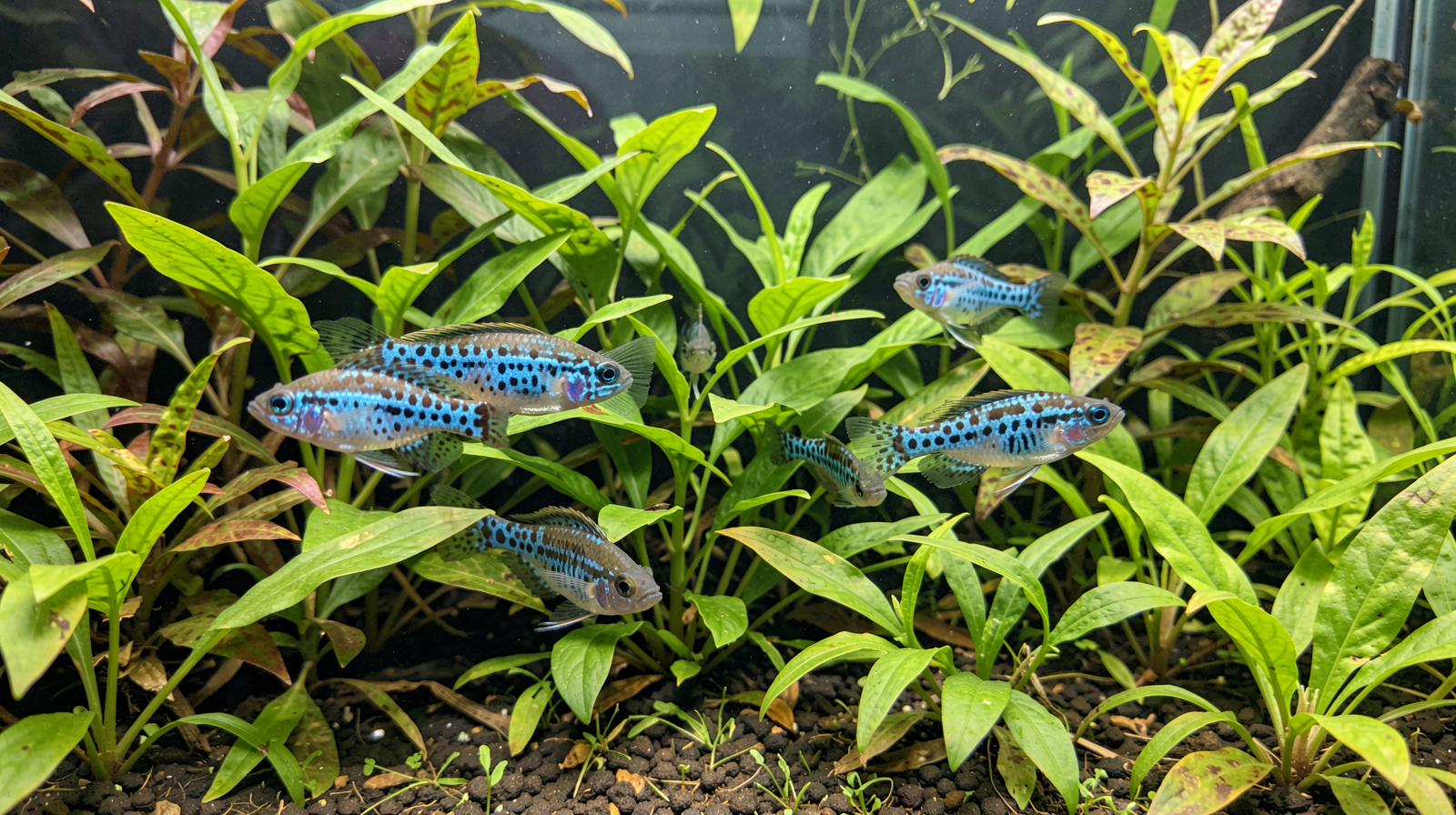
When you first see Blue Eye Rainbowfish, it’s easy to get caught up in that pop of color and just want them to swim in an open space where everyone can see them clearly. But if we want these fish to actually look healthy and happy, we have to move past the “wow” factor and think about how they live. These are schooling fish, which means their sense of security comes from being near their neighbors. They aren’t just swimming in circles for your benefit; they are constantly communicating through body language and small movements.
In my experience, a tank that feels too empty—even if it has some bright colors—makes these fish skittish. They need to feel like there is a “home base” where they can retreat or congregate. When you design the space around their behavior rather than just your line of sight, you’ll notice them interacting more naturally. Instead of darting for cover every time you walk by, they start to settle into their own rhythm.
Planting Density Isn’t Just About Looks; It’s About Cover
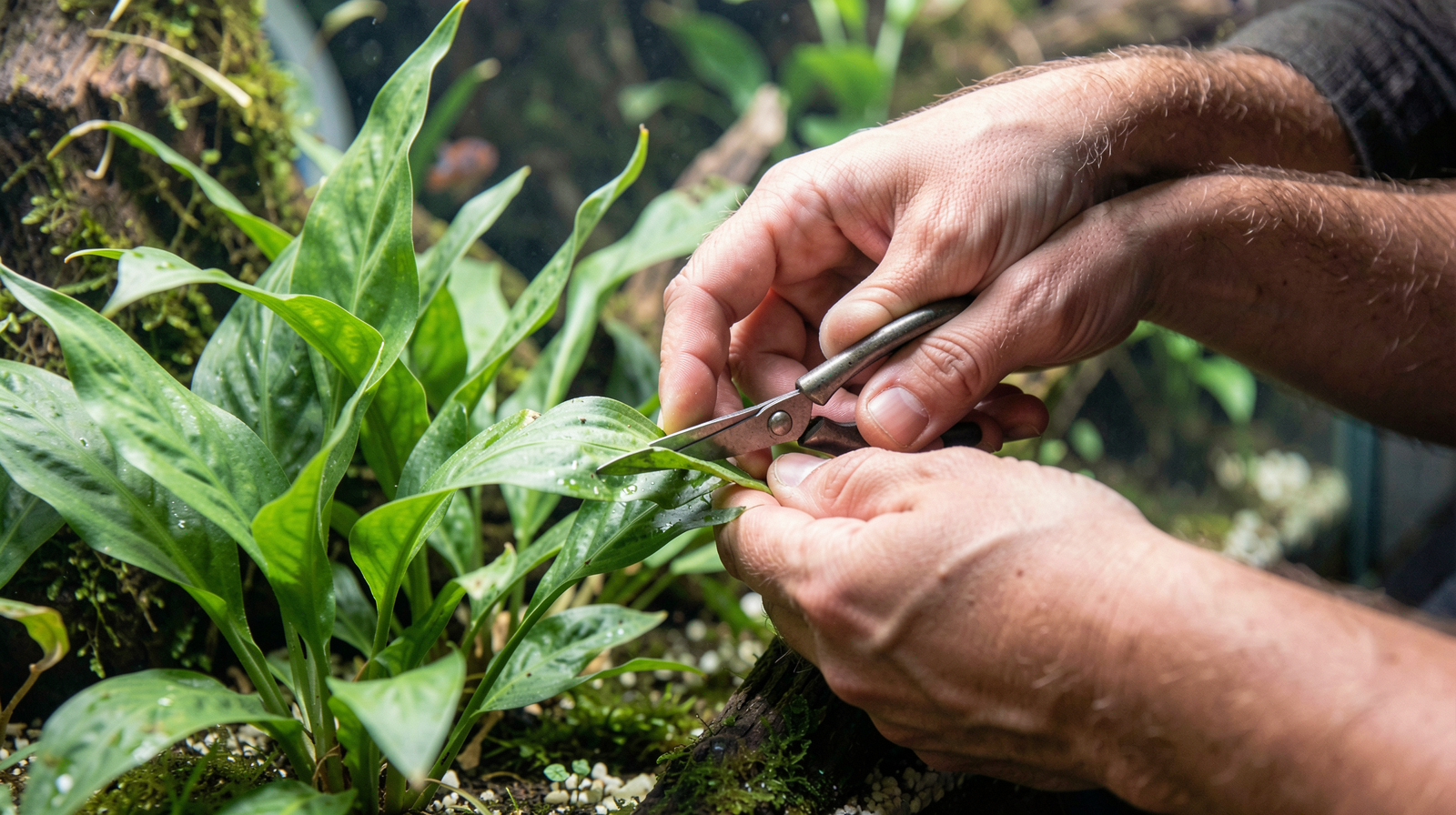
A common mistake I see is people putting in three or four nice plants and calling it a “planted tank.” For Blue Eye Rainbowfish, that isn’t enough. They need density to feel secure, especially if you have any fry or younger fish in the mix. Think of your plants as a forest rather than a backyard garden. You want different heights and textures so they have options for where to hang out.
When I’m setting up a community tank like this, I look for ways to create “zones.” You want some areas with thick, leafy growth where they can disappear if they feel stressed, and other areas that are more open for them to move through. It isn’t about making the water impossible to see; it’s about giving them enough complexity so they don’t feel exposed in a big, empty bowl of water.
- Low-growth plants: Good for floor coverage and “grounding” the layout.
- Mid-level stems: Essential for creating that sense of depth and hiding spots.
- Floating plants: These can help lower surface agitation and provide a ceiling of safety.
Tank Mates: Friend or Frenemy? Thinking Companionship
Choosing tank mates is where things can get complicated quickly if you aren’t careful. Because Blue Eye Rainbowfish are relatively peaceful, they do well with other small-to-medium schooling fish that don’t have a “bully” personality. You want companions that occupy different parts of the water column so they aren’t all fighting over the same swimming lane.
I usually look for species that share a similar temperament—fish that are active but won’t nip at fins or harass the Rainbowfish during their courtship rituals. If you put them in with something too aggressive, the Blue Eyes will spend all their energy hiding rather than schooling. On the flip side, if they are with fish that are too sedentary, it can sometimes disrupt the social flow of the group. It’s about finding a balance where everyone has enough space to do their own thing without getting into each other’s personal bubbles.
The Structure Checklist: More Than Just Plants
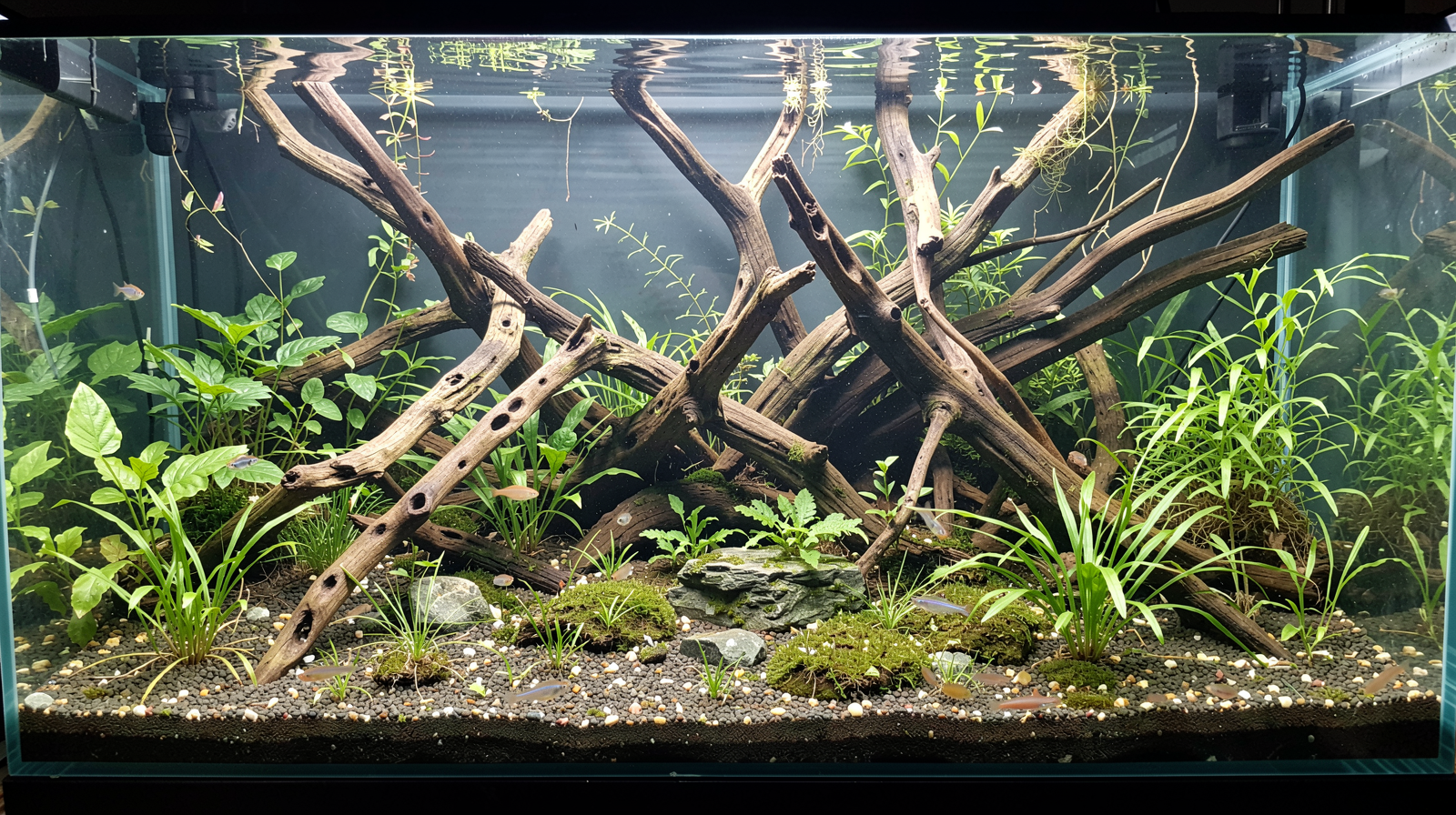
Plants provide the “soft” scenery, but you need “hard” structures to give the tank real dimension. Without some variety in your hardscape, the fish can get bored or feel like they’re swimming in a hallway. I always try to include a mix of materials that break up the sightlines and create different flow patterns.
Here is what I look for when I’m checking if a layout is ready for these guys:
| Element | Purpose | Why it matters |
|---|---|---|
| Driftwood | Visual anchors & tannins | Provides natural resting spots and breaks up the “open” feel. |
| Rockwork | Texture & flow disruption | Creates caves and crevices for smaller inhabitants to explore. |
| Varied Flow | Movement patterns | Different zones of water speed encourage different swimming behaviors. |
| Ledges | Verticality | Allows fish to move up and down rather than just left to right. |
What I Used To Do Wrong (And How You Can Avoid It)
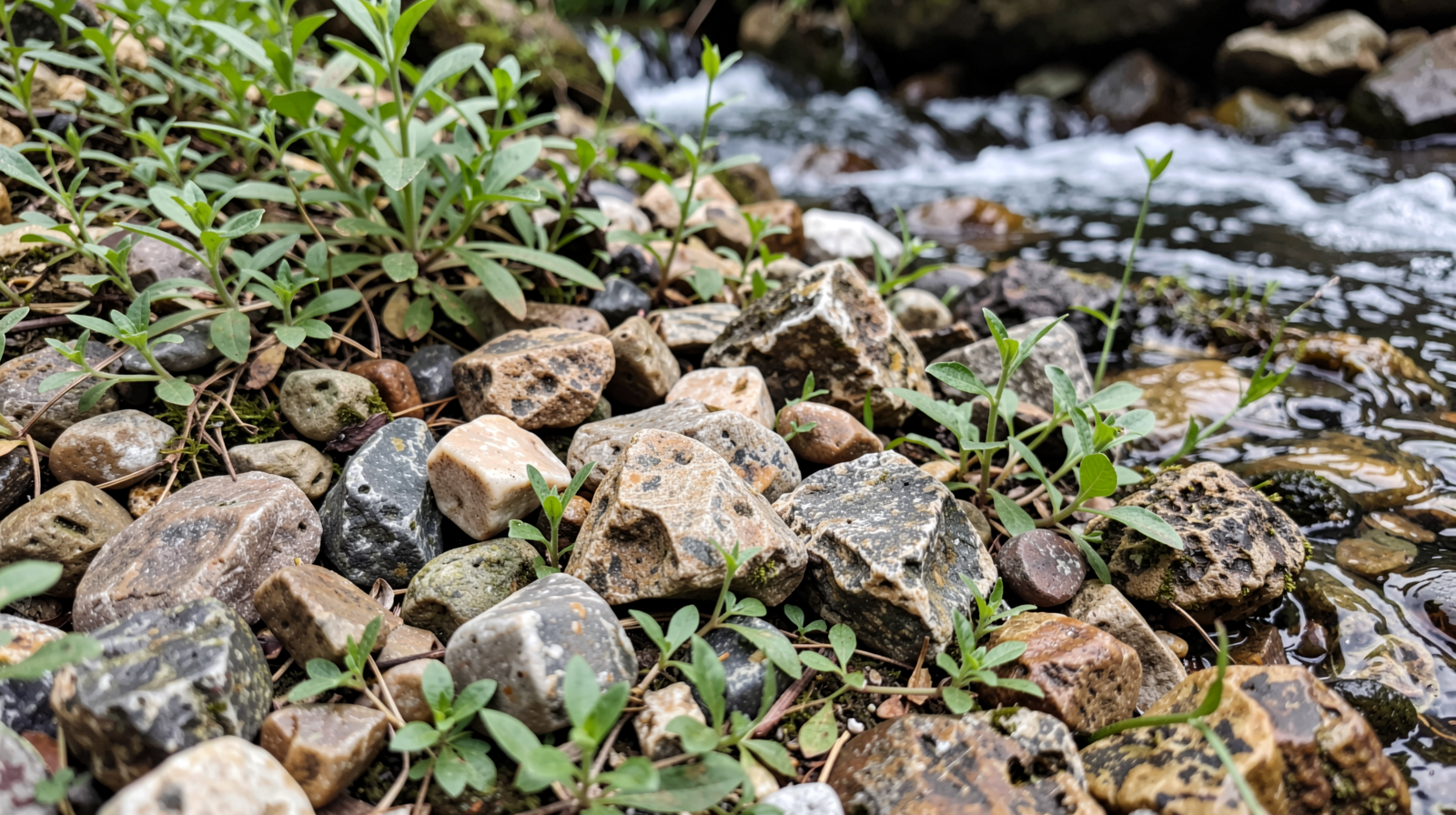
Early on in my hobby, I had a tendency to over-decorate the “front” of the tank while leaving the back pretty much bare. I thought that by putting all the best pieces at the glass, it would look better for me. The result was that the fish felt trapped in a cramped front zone and wouldn’t venture into the rest of the tank. They became stressed because they had no “back” to retreat to when things got loud or busy around the room.
I also learned the hard way that under-planting leads to a lot of frantic behavior. If there isn’t enough foliage, these fish will spend their whole day darting between every single piece of wood you have. Now, I make sure to balance the “hard” and “soft” elements so they have plenty of room to roam but also plenty of places to disappear into. It makes for a much calmer tank and a much happier crew of fish.
Source: Aquatic Arts
Get new newsletter issues, guides, and product updates by email.