
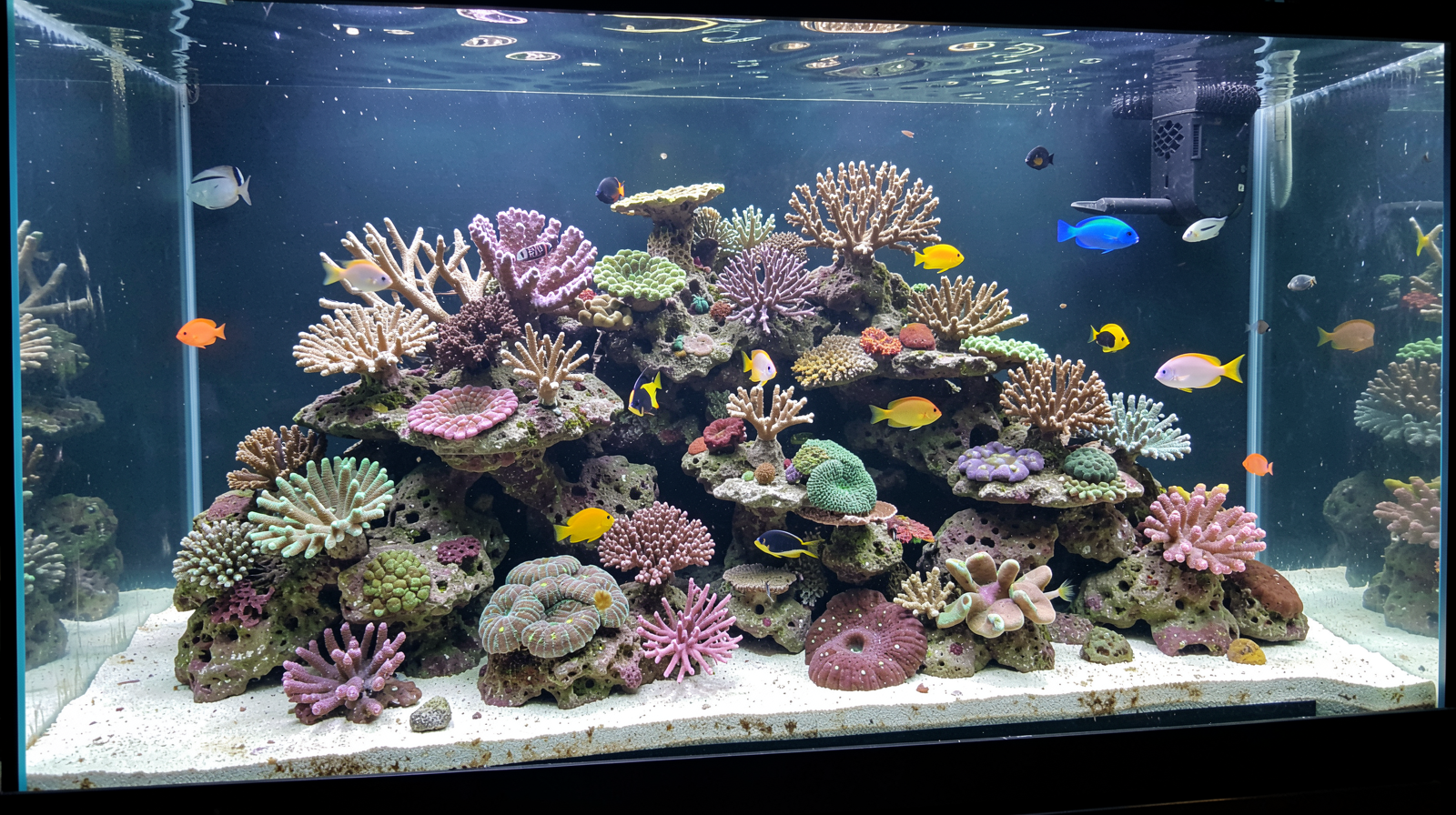
Keeping Reef Life Running When The Power Goes Out
Written by Diamond Dave — November 13, 2026
A look at battery backups for keeping the pumps and filtration humming during an outage.
The newsletter for reef keepers who worry about what happens when the lights flicker off.
Before the Storm: What Exactly Needs Power?
When I first started worrying about power outages, I thought I needed to keep every single light and pump running at full blast just to be safe. That’s a quick way to drain a battery in twenty minutes. If you’re looking at a portable power station or an inverter, you have to prioritize what keeps the fish alive versus what makes the tank look pretty for guests.
In a reef setup, your priority list should usually look like this:
- Protein Skimmers: These are often the biggest juice hogs but provide vital oxygenation and waste removal in high-bioload systems.
- Wave Makers/Powerheads: You need some water movement to prevent “dead zones” where waste settles on the coral.
- Return Pumps: If you have a sump, these keep the water moving through your filtration media.
Heaters and lights are different. Most heaters only kick in when the water temperature drops, so they aren’t a constant drain unless it’s freezing outside. As for lights, most fish can handle a few hours of darkness without any issues. Focus your backup plan on movement and oxygen first.
Running Numbers: How Long Can These Things Really Last?
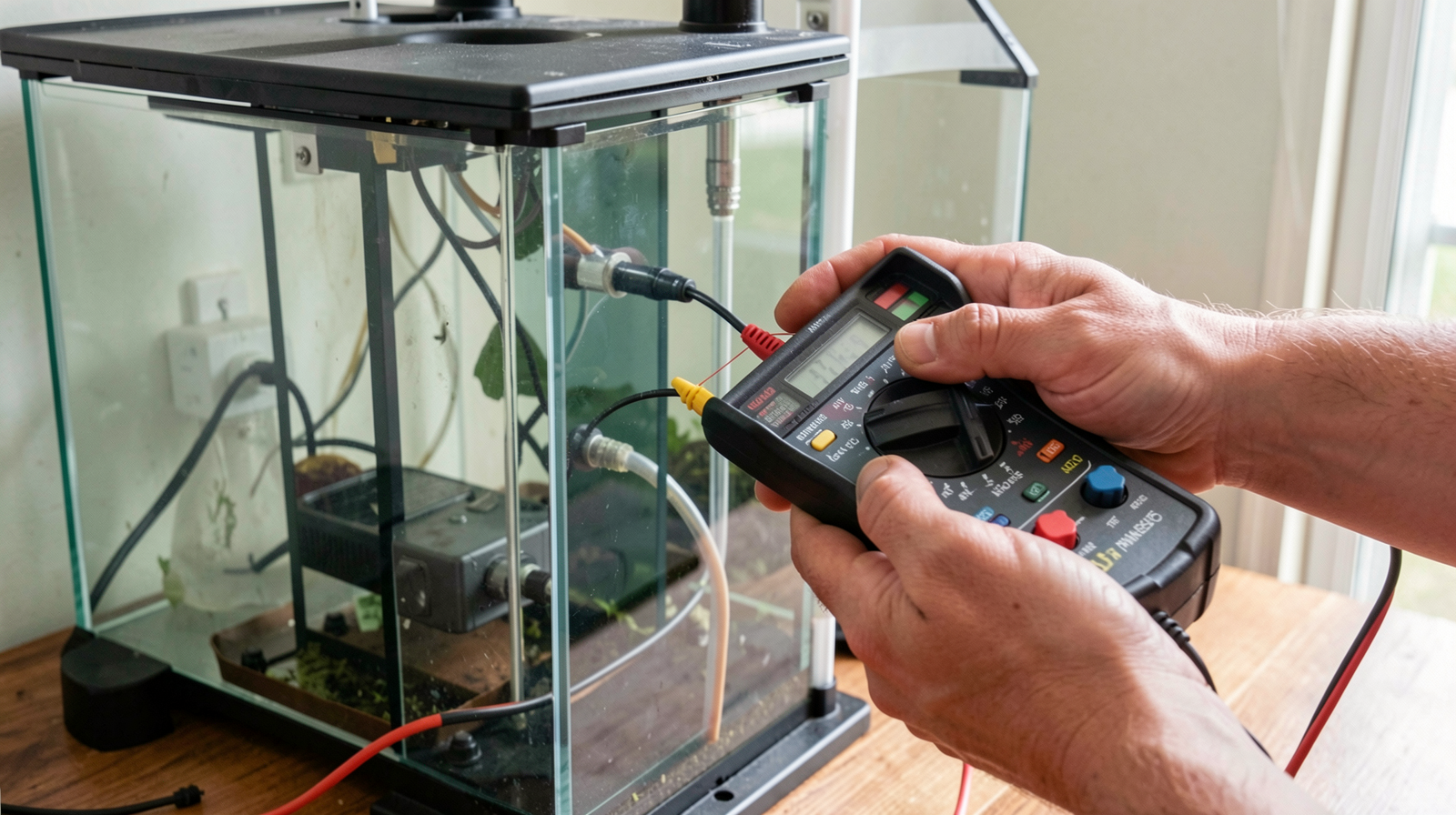
This is where things get tricky because “wattage” and “running watts” are different things. A power station might say it has 1000 watts, but that’s how much it can push at once, not how long it will last. For a reef tank, you have to look at the actual draw of your equipment while it’s running.
A standard small protein skimmer might pull 50–100 watts. A couple of medium powerheads might take another 60–80 watts. If you’re running a total load of about 200 watts, and you have a portable power station with a 1000Wh (watt-hour) capacity, the math is roughly: 1000 divided by 200 equals five hours.
However, because inverters lose some energy just by being turned on (conversion loss), you should expect closer to three or four hours of actual runtime for a mid-sized setup. If your gear pulls more than that, those “large” portable batteries will disappear much faster than the box suggests. Always check the labels on your pumps to get a real sense of your hourly burn rate.
The Low-Tech Backup Plan (When Buying Batteries Isn’t an Option)
Not everyone wants to drop hundreds or thousands of dollars on a massive battery bank just in case the grid goes down for an hour. If you aren’t planning on buying a big power station, you need a manual “plan B.” This is what I do when I know a storm is rolling through and I don’t have a backup running.
First, oxygen is your biggest concern if the pumps stop. If you have large fish or high-bioload corals, having an air pump (which can run on a small, cheap battery) to run an air stone is a lifesaver. Second, keep a bucket of treated water handy. If the power stays out for more than six hours, do a partial water change just to refresh the chemistry and ensure there’s no stagnant buildup. Lastly, turn off your heaters and skimmers before the power goes out so they don’t “spike” the remaining battery life the second the grid drops.
The Stuff I Got Wrong: Overkill and Underestimating Draw
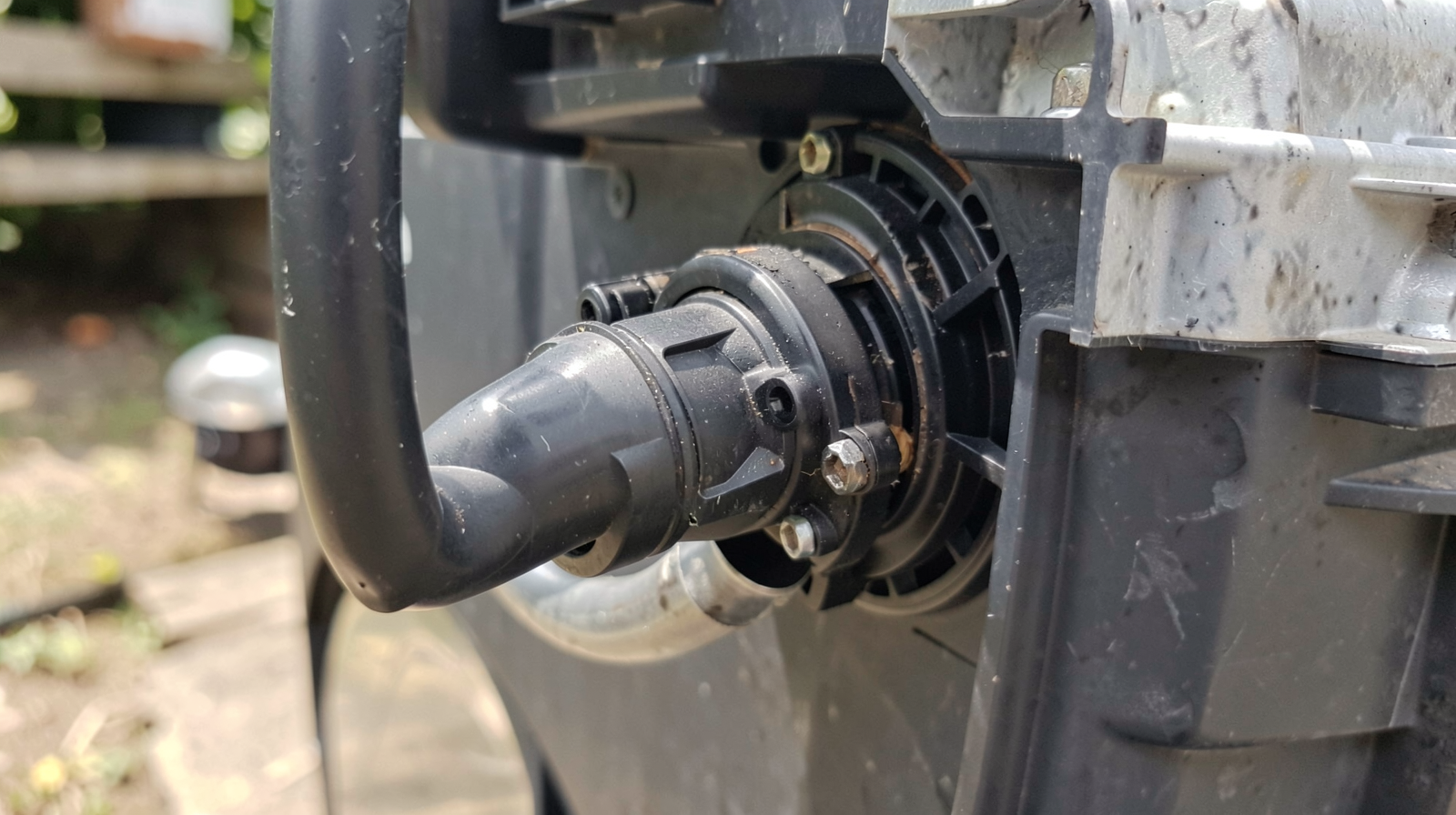
I made the mistake of thinking that because a pump was small in size, it wouldn’t pull much electricity. I bought a portable station based on what I thought my gear used, and when I actually plugged everything in during a test run, the battery percentage started dropping like a stone. It turned out that even “small” pumps have high startup draws that can trip some smaller inverters or drain capacity faster than expected.
I also learned about the cost of overkill. I spent way too much on a massive unit thinking I needed to run my entire home’s electronics, but for an aquarium, you really only need enough to keep the water moving and oxygen flowing. You don’t need a system that can power a refrigerator; you just need one that won’t let your livestock suffocate while the lights are out. It’s about finding the right balance between “safe” and “sensible.”
A Quick Gear Check List for Peace of Mind
Before the next big storm hits, take an afternoon to walk around your setup and do a quick audit. You don’t want to be scrambling in the dark when the lights flicker. Here is what I recommend checking:
- Inventory: Make sure you have at least two dedicated air pumps with batteries or a small generator as a fail-safe.
- Battery Health: If you own a portable power station, plug it in and let it charge to 100% a week before the storm hits—don’t wait until the day of.
- Storage: Keep your backup batteries in a dry spot near the tank so you aren’t hauling them across the house in an emergency.
- The “Kill Switch”: Know which pieces of equipment you will turn off manually to save power (like high-intensity lights or secondary heaters).
Having this plan written down on a piece of paper near your main controller takes the stress out of the situation when things actually go south.
Source: Reefs.com
Get new newsletter issues, guides, and product updates by email.