Keeping a Chainlink Moray Eel: Are You Ready for This Predator?
Written by Diamond Dave — November 12, 2026
A look at the gear and tank setup needed before bringing home one of nature's centerpiece showpieces.
The newsletter for experienced reef keepers who want to safely integrate impressive, large predators into their established saltwater tanks.
Before you even look at a picture: Sizing up the commitment.
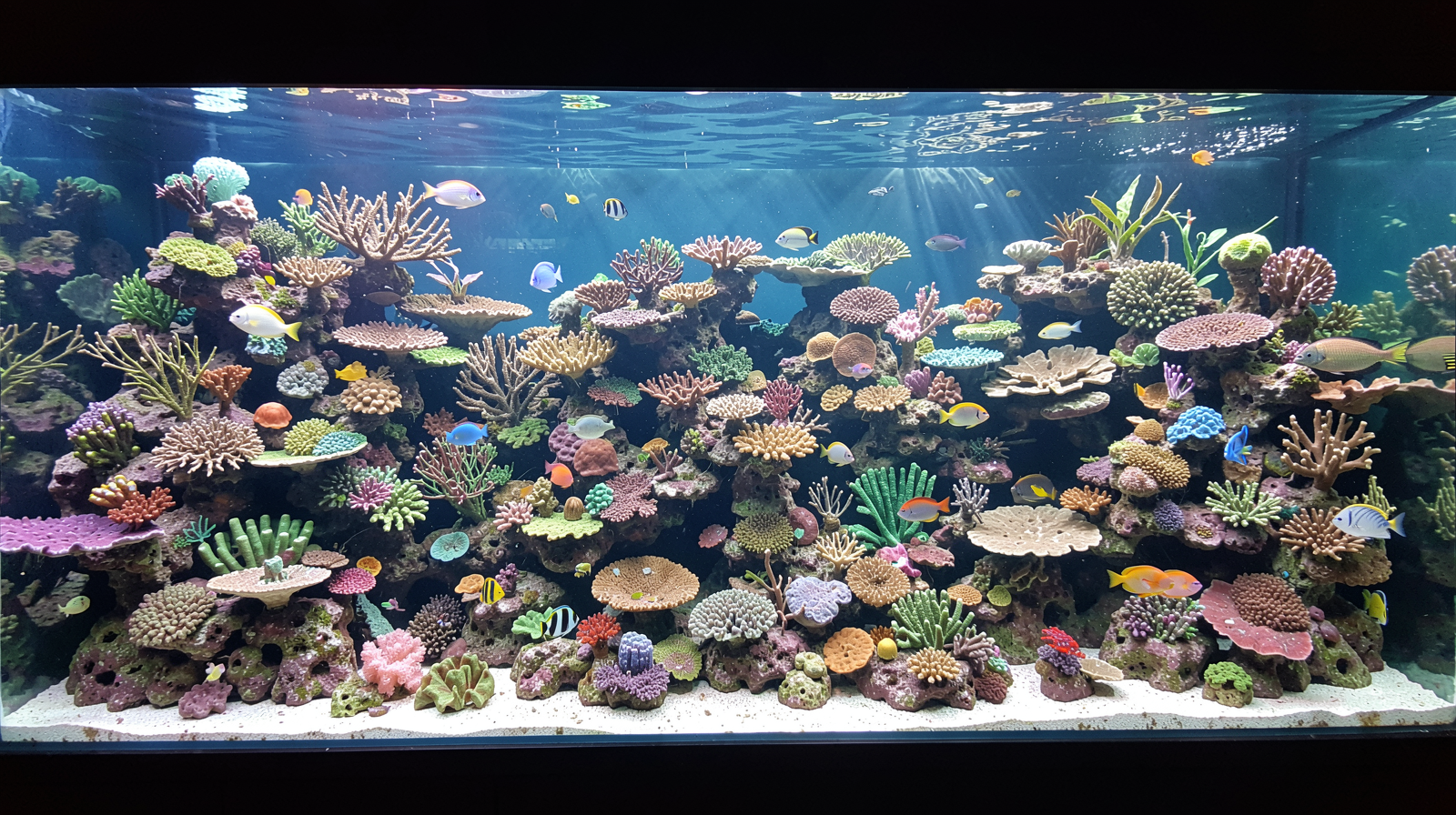
I see people scroll past photos of Chainlink Moray Eels and think it’s just about getting a “cool” centerpiece for their living room. It’s easy to get swept up in that visual, but I want to be straight with you: this isn’t a fish you can just drop into a standard 55-gallon setup and hope for the best. These are large, powerful predators that require a serious amount of real estate. Before you even think about ordering one, you need to look at your floor plan. You aren’t just looking for a tank; you’re looking for a dedicated space that can handle high water volume and heavy-duty equipment. If you don’t have the room for a massive footprint or a very deep system, it is better to admire them from afar. Starting with a predator this size without the proper infrastructure leads to quick failures and stressed animals.
The safety gear checklist—this part is non-negotiable.
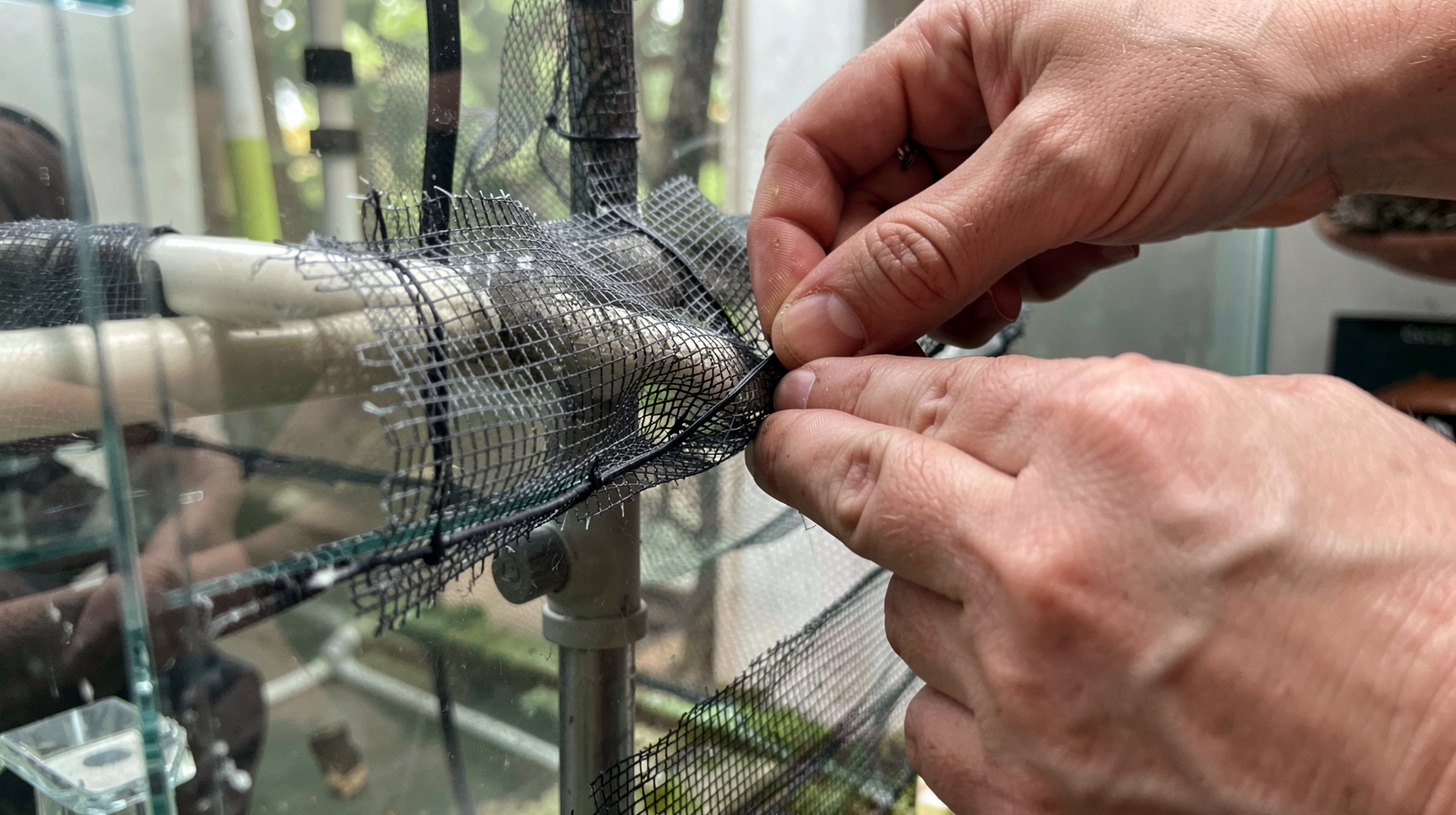
When dealing with an eel, your first priority isn’t aesthetics; it’s containment and safety. A Chainlink Moray can be incredibly strong and surprisingly fast. You need a heavy-duty, secure lid that won’t be pushed off or bypassed by a determined swimmer. More importantly, you have to think about the plumbing. Standard PVC pipes are often easy for an eel to navigate or get stuck in. I always recommend using oversized piping with internal baffles or choosing a system where they can’t easily wedge themselves into a position that causes them stress or allows them to exit the main display area. You also need to consider how you will handle the animal. This isn’t a fish you just reach in and grab; your gear—nets, tongs, and moving equipment—needs to be robust enough to manage a powerful predator without risking a bite or an injury to yourself.
Filtration: It needs more than just a nice skimmer setup.
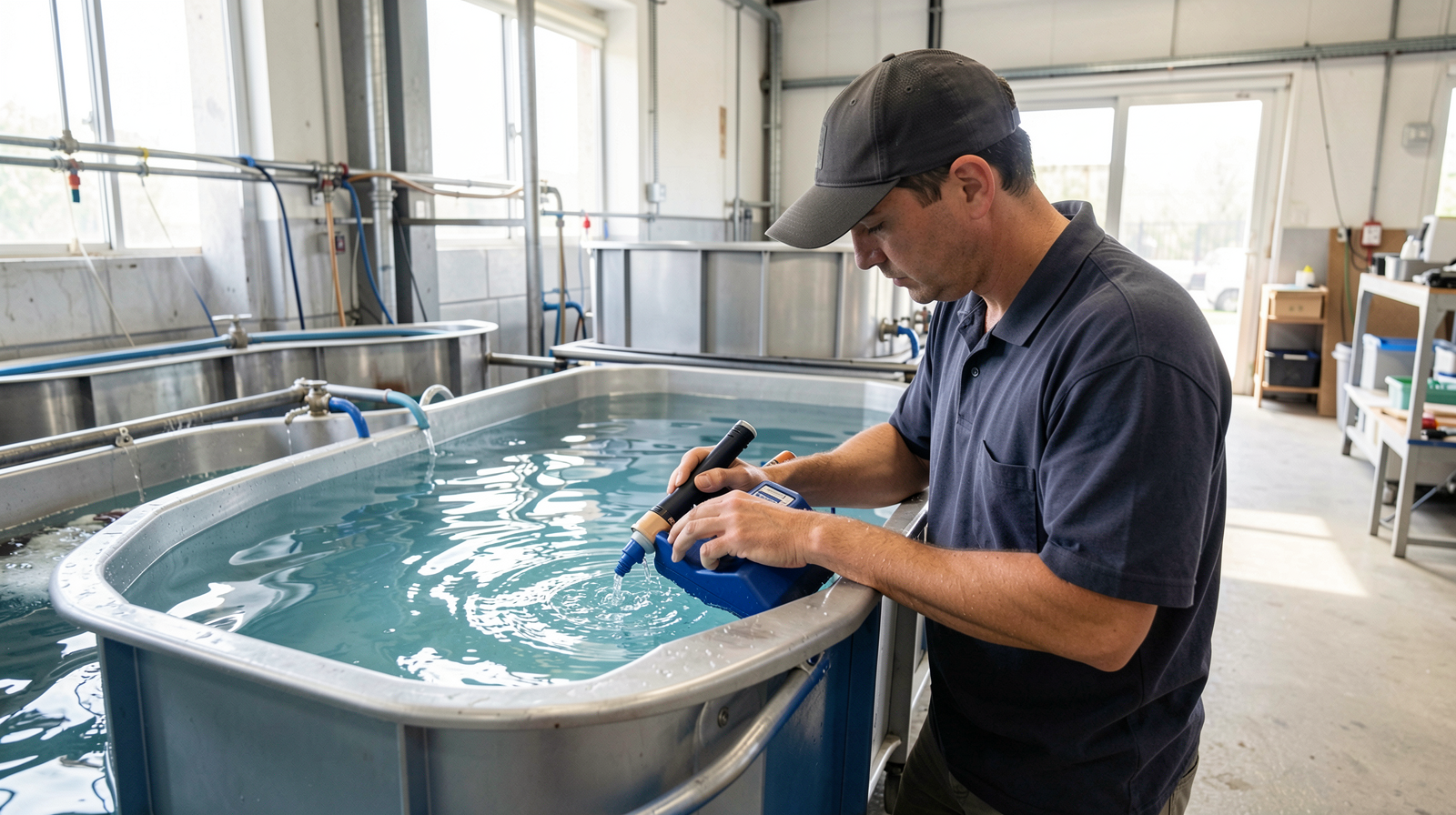
A lot of people think that because they have a high-end protein skimmer, they are set for any fish. With a large biomass producer like a Moray Eel, your filtration needs to be much more aggressive. You’re dealing with a lot of organic waste from both the eel’s own metabolism and its feeding habits. I’m talking about massive biological filtration capacity—large beds of media that can handle significant ammonia spikes. Mechanical filtration also needs to be top-tier; you want to pull out solids quickly before they break down into the water column. Your goal is a system that stays clear and stable even when things get messy. It’s not just about keeping the water “clear” for the camera; it’s about maintaining a chemistry that doesn’t fluctuate wildly when your centerpiece decides to have a big meal.
Tankmates—who can actually share the same space?
This is where most people run into trouble because they try to pack the tank full of “pretty” fish. The reality of keeping a predator is that your options are limited by their nature. If it fits in the eel’s mouth, it’s a potential snack. In my experience, successful setups usually involve large, hardy species that can hold their own or move quickly enough to avoid being targeted. You aren’t looking for “friends” for the eel; you’re looking for tankmates that won’t be bullied or eaten.
| Compatibility Type | Examples | Notes |
|---|---|---|
| Large, Fast Fish | Large Groupers (if space permits) | Must be large enough to not be prey. |
| Hardy Bottom Dwellers | Certain large Catfish species | Depends heavily on individual temperament. |
| Decor/Structure | Heavy Rocks and Caves | Essential for the eel’s comfort and hiding. |
Keep it simple. If you aren’t sure if a fish can coexist, assume they can’t until you have evidence otherwise.
Feeding routines and what to expect day-to-day.
Keeping an eel isn’t about “feeding time” being a highlight of your day; it’s about consistent maintenance. These animals are opportunistic but need a reliable routine to stay healthy. You’ll be looking at high-protein diets—frozen fish, specialty chunks, or whole prey depending on the size and age of the animal. It is also important to manage how you feed them to ensure they aren’t just “scavenging” your leftovers, which can lead to poor water quality. You need to observe their behavior; are they eating well? Are they showing signs of lethargy? Day-to-day, it’s about monitoring the waste produced by those meals and ensuring that the food is being consumed properly so it doesn’t rot in a crevice or cave. It takes some planning to ensure you have enough high-quality frozen stock on hand consistently.
A quick rundown of common rookie mistakes with large predators.
The biggest mistake I see beginners make with large predators is overconfidence in the “automatic” nature of the tank. You cannot set it and forget it. One major pitfall is overfeeding; a lot of people think “more food equals a happier fish,” but that just leads to a spike in ammonia that can kill your entire system overnight. Another mistake is failing to provide enough hiding spots. A Moray Eel needs to feel secure, and if it feels exposed, it will stress out, which shows up quickly in its behavior and health. Finally, don’t underestimate the observation required. You need to be watching for subtle changes—changes in their movement patterns or how they react to your presence. If you aren’t prepared to spend time watching and learning their specific quirks, a predator like this will be a very difficult project to manage successfully.
Source: Reefs.com
Get new newsletter issues, guides, and product updates by email.