
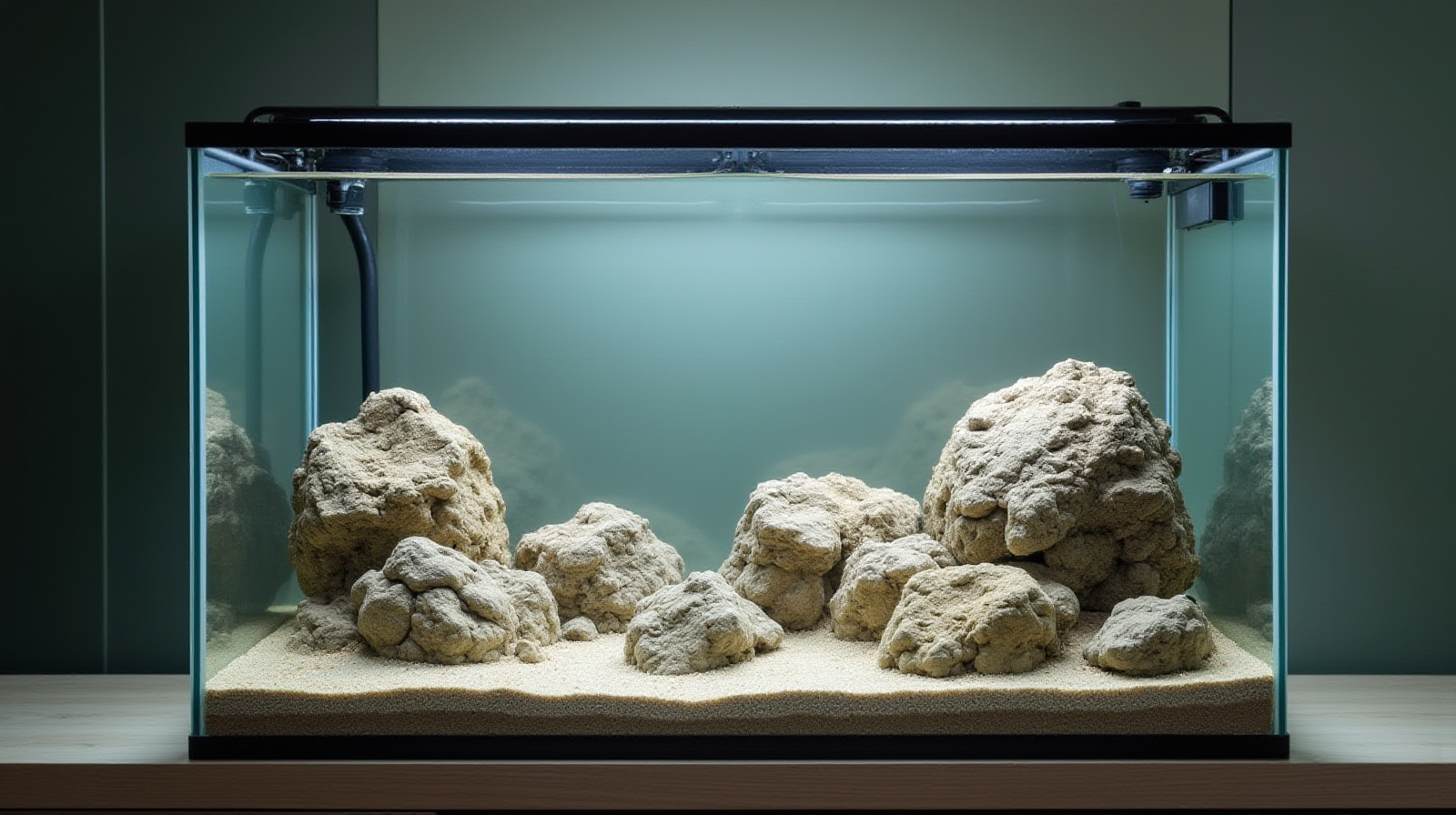
Don't Build Your Reef Blind: Planning with Calculators
Written by Diamond Dave — September 14, 2026
How to use volume and weight tools so your stand doesn't collapse under the coral load.
The newsletter for reef keepers who want a solid setup that won't bankrupt them or sink their furniture.
Before you even buy rock: Why planning matters more than pretty coral

When I first started out with saltwater tanks, I spent way too much time dreaming about what kind of neon colors I could get and not enough time thinking about how many pounds of weight that tank was going to put on my furniture. It’s easy to get caught up in the “pretty” side of the hobby—the specific coral species or the look of a reef scape—but there is a very practical, unglamorous side you have to handle first: physics.
A saltwater aquarium isn’t just a tank of water; it’s a massive weight load. If you guess your way through the planning phase, you risk more than just a messy setup. You risk a stand that sags over time or, in worst-case scenarios, a structural failure because someone didn’t account for how much density actually goes into every gallon. Before you fall in love with a specific fish species or a piece of live rock, you have to get the math right. Planning on paper saves you from headaches (and potential disasters) later when the heavy lifting actually begins.
The three numbers you need nailed down first (Volume, Weight, Substrate)
Before you pull the trigger on any supplies, there are three specific figures you need to pin down. You can’t guess these; they dictate everything from your salt mix amount to the type of stand you buy.
- Total Water Volume: This is the actual amount of water in the tank once it’s filled (minus what your rocks and sand displace). Knowing this helps you calculate how much salt to add for a specific salinity level.
- Weight: This isn’t just the weight of the water. You have to account for everything inside the tank—the glass, the stand, the equipment, and the rock.
- Substrate Mass: People often underestimate how heavy sand or gravel is. It’s dense stuff. If you want a deep bed of sand for your corals, that adds significant weight at the very bottom of the system.
Using a calculator to figure these out early on ensures you aren’t just “hoping” it works. You need these numbers as non-negotiable starting points before you start ordering gear or choosing your layout.
| Component | Why calculation matters |
|---|---|
| Water Volume | Determines salt dosage and chemical dosing amounts. |
| Dry Weight | Includes the tank, stand, and all hardware (pumps, skimmers). |
| Substrate Mass | Ensures your floor or stand can handle concentrated weight at the base. |
Rockwork and Stocking Density: Where most people get tripped up
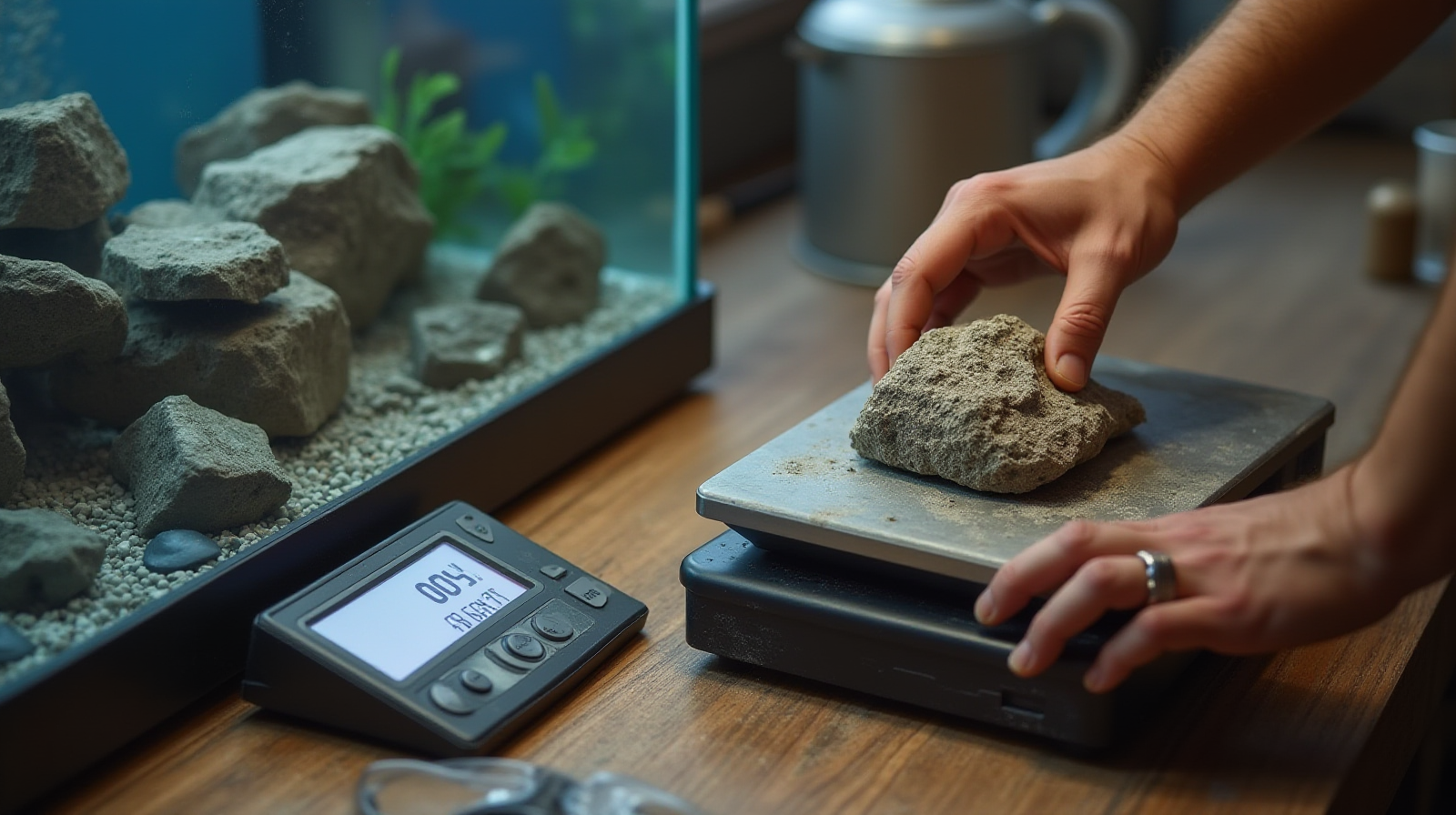
This is where a lot of hobbyists run into trouble because they think “volume” equals “capacity.” Just because you have 100 gallons of water doesn’t mean you have room for unlimited rock. Live rock—or even dry rock—is incredibly heavy and dense. When you add enough rock to create a complex, beautiful reef structure, it displaces a significant amount of water while adding massive amounts of weight to the footprint of your tank.
If you don’t calculate the displacement caused by your rocks early on, you might find yourself with less water volume than you expected, which messes up your chemistry calculations later. More importantly, if you don’t account for the literal tonnage of that rock, you can end up with a stand that bows in the middle or fails under pressure. You have to balance the “look” of the reef with the physical reality of what that rock weighs. Don’t just buy enough rock because it looks good; calculate how much volume it takes up and how much weight it adds before it ever hits your floor.
The ‘Oh Shoot’ moments I learned from (and what to watch out for)
I’ve seen plenty of setups where the owner realized too late that they hadn’t accounted for the “hidden” weights. For example, a large protein skimmer or a heavy sump system at one end of a tank can create an uneven weight distribution. If your stand isn’t designed to handle that specific point-load, it won’t hold up well over time.
Another common mistake is undercalculating the “moving parts” of maintenance. You need enough space and structural integrity for hoses to move and for you to actually reach into the tank without putting undue stress on the glass or the stand. Also, remember that your water changes involve moving a lot of weight around; if your setup is precariously balanced because you skipped the math phase, those daily tasks become much more stressful. Don’t let a “simple” oversight like forgetting to weigh your filtration system turn into a permanent structural headache for your living space.
Putting it all together: Your pre-build checklist

Before you place an order for anything—not even a bag of sand—run through this mental checklist. If you can’t answer these questions with some solid numbers, go back to the calculator and do another pass. This is about making sure your plan survives the transition from a dream on paper to a heavy reality in your living room.
- Total Weight Check: Have I added up the weight of the water (approx. 8.34 lbs per gallon), the dry rock, the sand, and every piece of equipment?
- Distribution Check: Is there any single point where too much weight is concentrated on one side or in the center of the stand?
- Displacement Calculation: Have I accounted for how much water my rocks will displace so I know exactly how much saltwater to mix?
- Access Clearance: Do I have enough room around the tank to perform maintenance without straining the structure?
If you’re struggling to get these numbers straight, it might be worth looking into a guide that walks through the math specifically for your tank size. Getting this right now means less worrying later when the first truck of rock arrives at your door.
Source: Saltwater Aquarium Blog
Get new newsletter issues, guides, and product updates by email.