
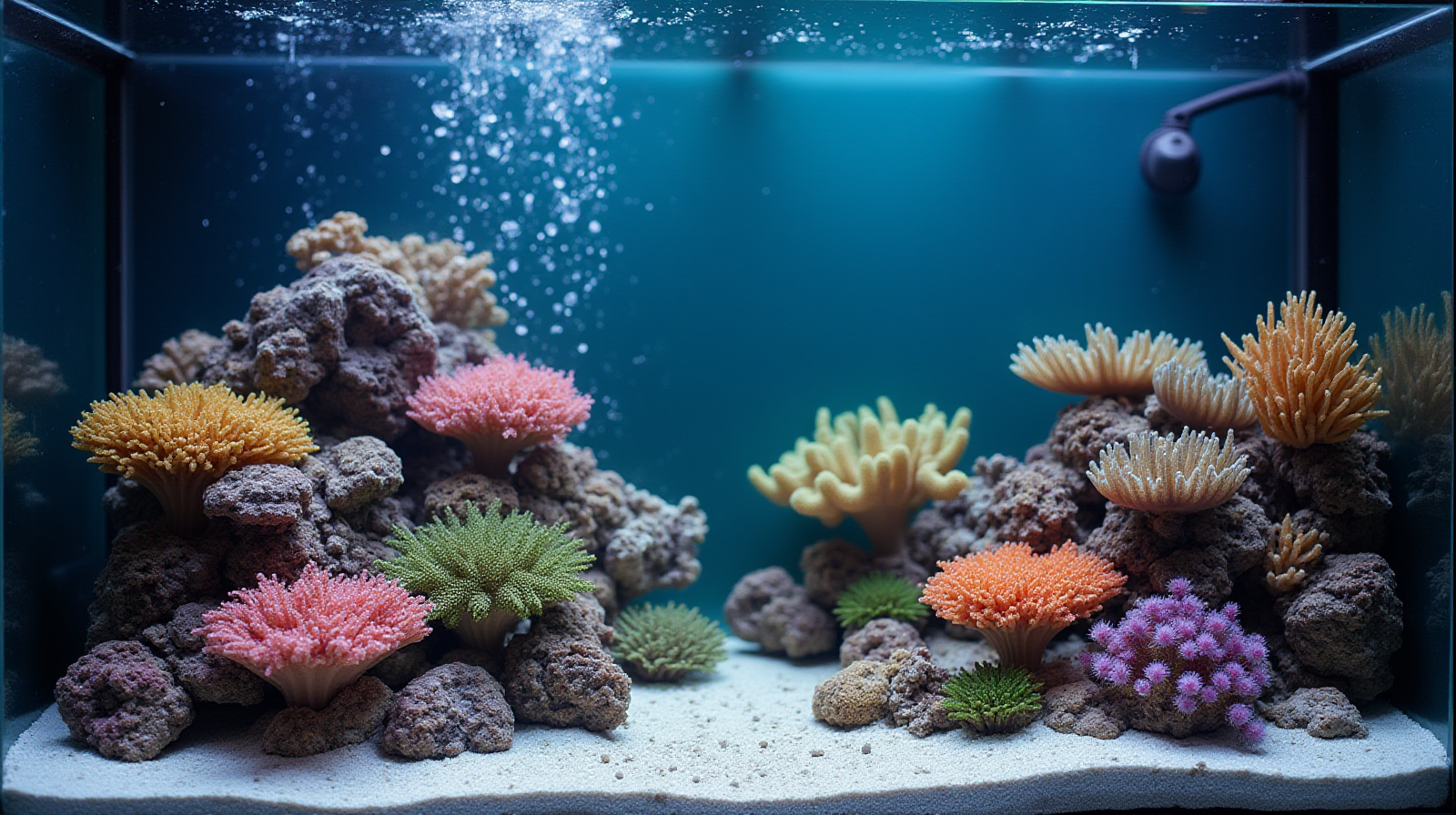
Does My Reef Flow Enough? A Basic Guide for Small Tanks
Written by Diamond Dave — September 14, 2026
Figuring out how water moves in your reef tank so the corals stay happy and healthy.
The newsletter for small reef keepers who want their coral to thrive without spending a fortune on fancy pumps.
Before we get technical: what does ‘enough flow’ even mean?
When I first started out with reef tanks, I used to think “flow” meant making sure everything was moving as fast as possible. I thought if my hand couldn’t keep it steady when I put it in the water, it was probably too slow. That’s a common misconception that can lead to some frustrated fish and unhappy corals. In reality, “enough flow” isn’t about raw speed or creating a whirlpool; it’s about consistent movement.
Think of it like a river versus a pond. A pond lets waste settle into the mud where nothing can reach it. A river keeps things moving so that debris stays suspended until it can be filtered out. For your reef tank, you want enough flow to carry away waste and provide oxygen to the coral tissues without blasting them against the rocks. It’s about coverage—making sure no corner of your tank is a “dead zone” where food particles or fish waste just sit and rot.
How to eyeball it (The non-scientific way)
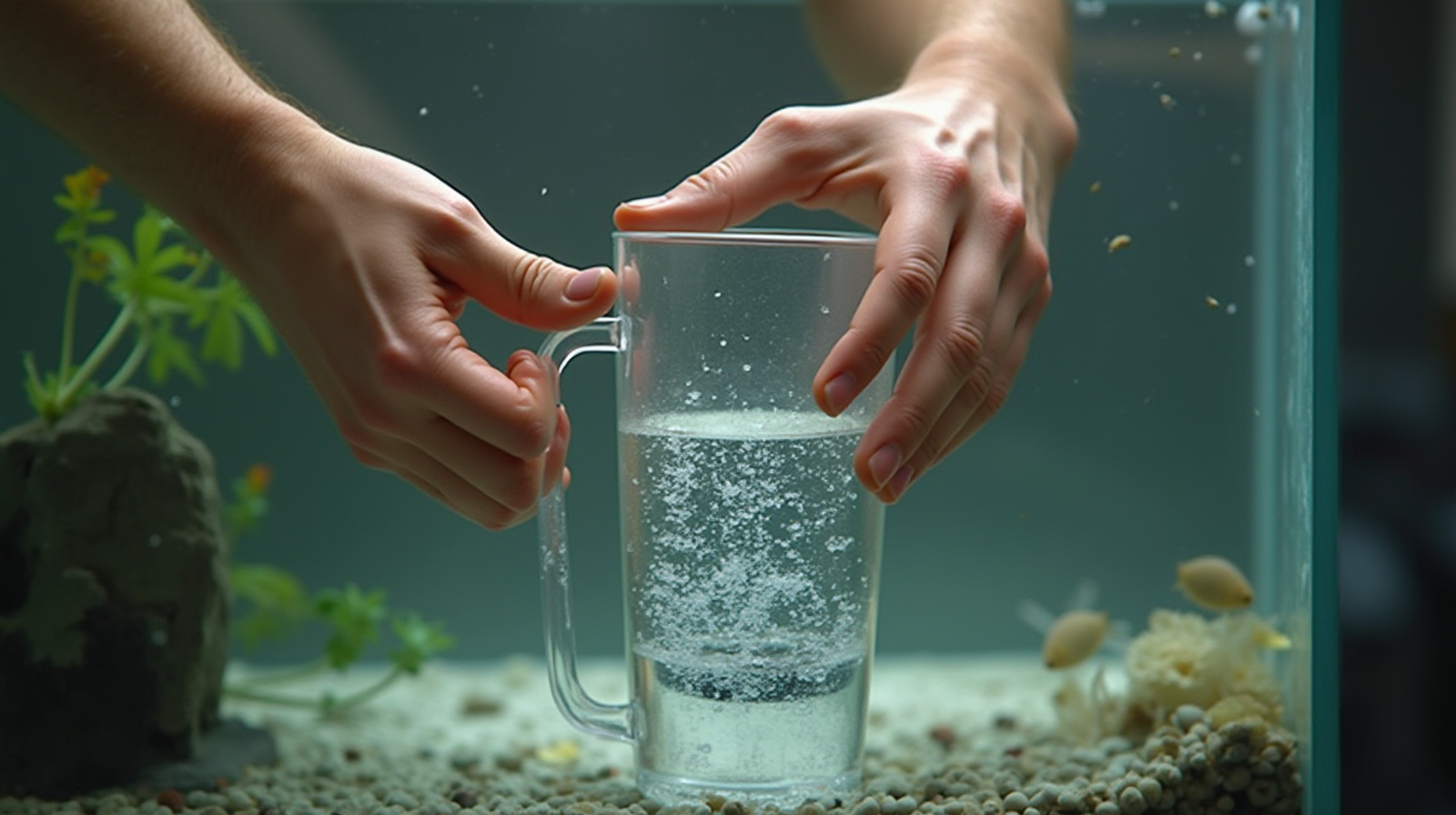
You don’t need to spend a fortune on high-tech flow meters to know if your current setup is working. I still use the “eyeball method” more often than any piece of tech because my eyes are usually the first thing to notice when something is off. The easiest test is looking at where your detritus (the gunk that builds up) actually lands. If you see a thick layer of brown muck settling in one specific corner or tucked under a rock ledge, that’s an area with zero flow.
Another way to check is by watching your corals’ behavior. If they are fully extended and looking healthy, the movement is likely sufficient for their needs. If they seem retracted or “tucked away” constantly despite good water parameters, they might be struggling with a stagnant spot in their immediate vicinity. Give it time—sometimes you need to watch a tank for a few days after a change before you can see if those waste spots are clearing up.
Where the water needs to go: Mapping out your tank
Instead of just pointing a pump at a random rock, try thinking about the “path” the water takes. I like to think of it as a circuit. You want the water to move from one area to another in a way that covers the whole floor and every nook of your rockwork. Specifically, you need to focus on two things: feeding zones and waste collection spots.
When you feed your fish, those particles need to be swept away quickly so they don’t settle into the sand or get trapped under rocks where they can rot. You also want to make sure that any “dead ends” in your rock structure are being pushed through by a gentle current. If you have a large rock with several holes and crevices, try to position your flow so it pushes water through those gaps rather than just hitting the front of the rock. This ensures oxygen reaches all parts of the reef structure.
The gear talk: Pumps vs. Skimmers vs. Wavemakers
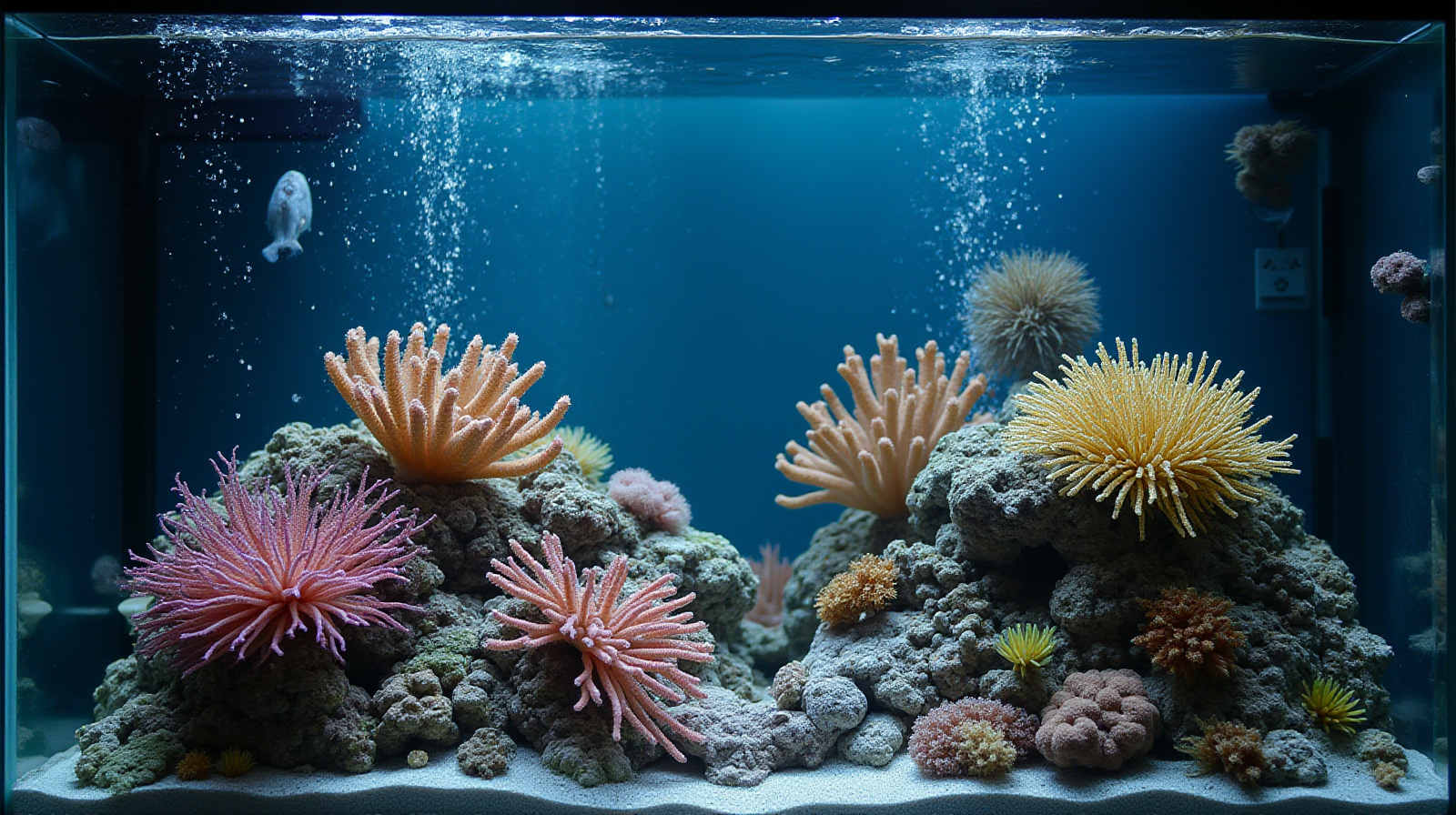
When it comes to moving water around, you have a few different tools in your toolbox. Each one serves a slightly different purpose depending on what you’re trying to achieve. Here is how I generally break down the options for most home setups:
| Equipment Type | Primary Purpose | Best For… |
|---|---|---|
| Powerheads | Direct, consistent flow | Moving water in specific directions or areas. |
| Wavemakers | Simulating ocean swells | Creating a “pulse” that moves more volume of water slowly. |
| Return Pumps | Main circulation | The primary pump and filter system (usually only one). |
For most small to medium reef tanks, I find that using two smaller powerheads is often more effective than one large, powerful one. It allows you to target specific areas—one for the left side of the tank and one for the right—rather than trying to get a single motor to do everything perfectly at once. Keep it simple; if your goal is just to move waste out of corners, a reliable powerhead is usually all you need.
Common pitfalls I ran into (and what not to do)
One mistake I made early on was “over-powering” the tank because I thought more was always better. If you blast your corals with too much force, they can actually get stressed or physically damaged by being tossed against rocks. It’s like trying to walk through a crowd; if everyone is pushing you at once, it’s exhausting and potentially harmful. You want a steady push, not a hurricane.
Another common mistake is the “single source” problem. If all your water movement comes from one pump in one corner, you end up with a massive flow zone near that pump and a total dead zone on the opposite side of the tank. This creates a cycle where waste just sits in those quiet spots until it causes algae blooms. Try to distribute your sources so the water is moving throughout the entire volume of the tank, rather than just creating one big stream from point A to point B.
My quick checklist before you buy anything
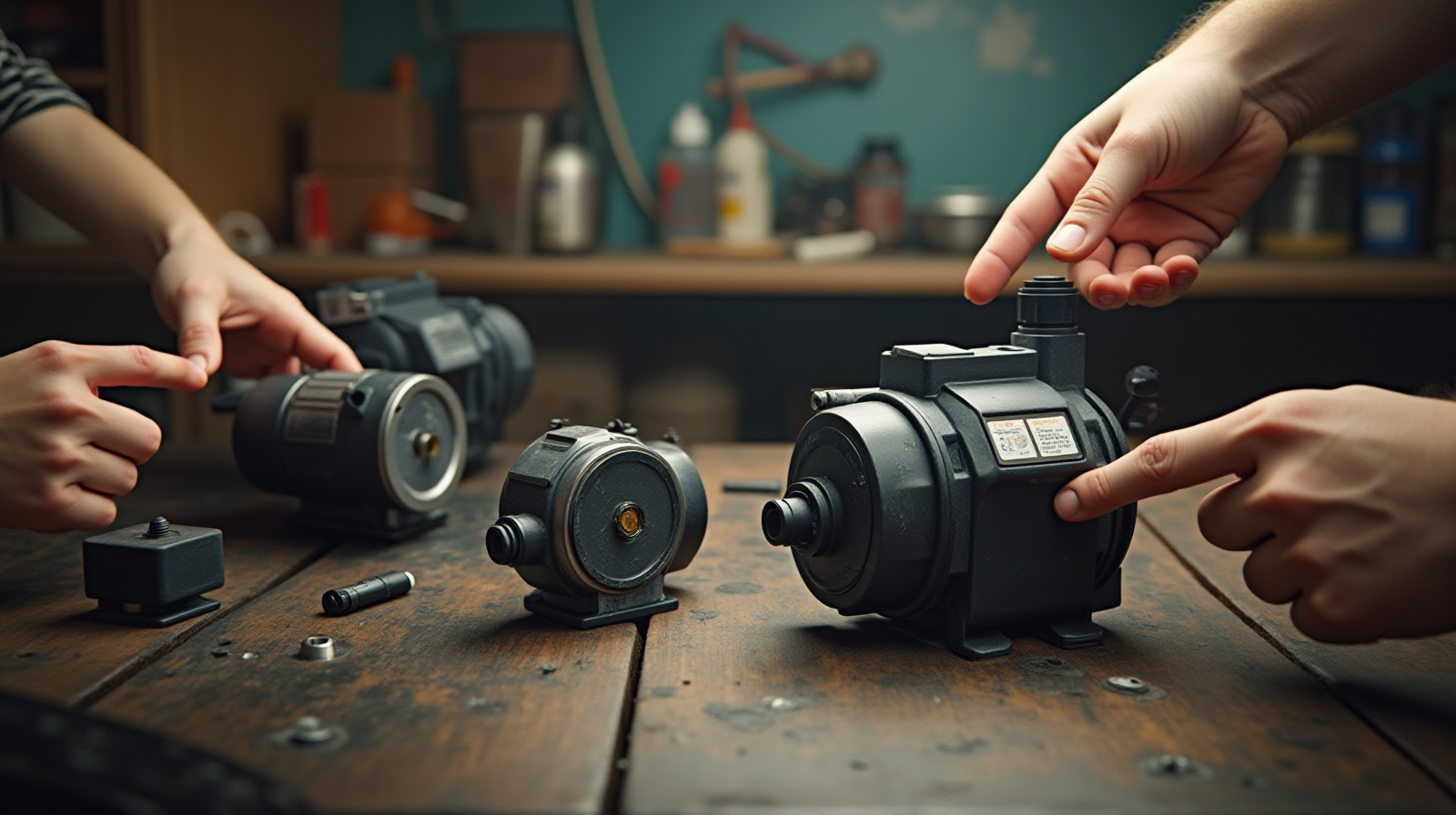
Before you go out and spend money on more equipment or different nozzles, take a walk around your tank with a flashlight (or just a very close look). Use this list to evaluate what you already have:
- Check the floor: Is there any visible buildup of waste in corners or under rock ledges?
- Identify dead zones: Are there areas where the water seems completely still for several minutes?
- Observe your corals: Do they seem happy and open, or are they struggling in specific spots?
- Trace the path: If you put a tiny piece of food on the bottom, does it move toward your filter or just sit there?
- Assess the “push”: Is the water moving enough to keep particles suspended without creating an aggressive current that stresses the fish?
If you find issues in any of these areas, you can usually fix them by simply adjusting the aim of your existing pumps before buying anything new. If you do decide to add more equipment, stick to what is necessary for coverage rather than just adding “more” for the sake of it.
Source: Reefs.com
Get new newsletter issues, guides, and product updates by email.