
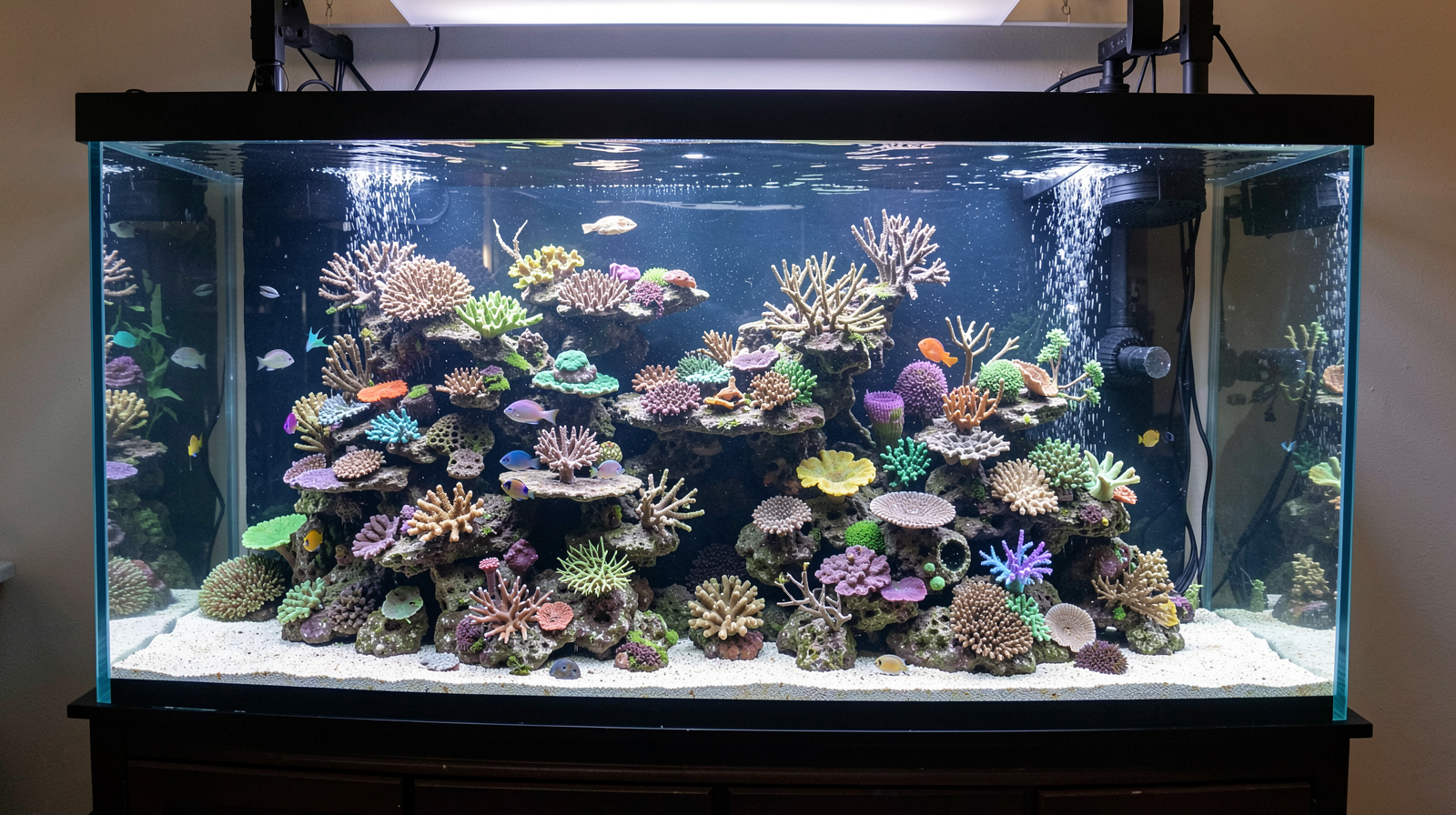
Deep Dive: Looking at Advanced Reef Lighting Upgrades
Written by Diamond Dave — November 17, 2026
A look at the Kessil AP9XE and what it means for natural reef illumination.
The newsletter for experienced saltwater keepers who want their corals to look like they're actually under the sun, not a spotlight.
Quick word before we dive into flashlights and spectrums
I want to start by being straight with you: if you just got your first 20-gallon tank last month or you’re still trying to figure out why your cycle isn’t finishing, this specific piece of gear is probably way beyond what you need right now. I’ve seen a lot of hobbyists get caught up in the “gear race,” thinking that buying the most expensive light on the shelf will automatically turn a struggling tank into a masterpiece. It won’t.
For those of us who have moved into reef keeping and are trying to grow more demanding corals, though, lighting is where you eventually hit a wall with basic setups. There comes a point where “bright enough” isn’t sufficient for the specific colors and growth rates we want. I’m not here to tell you that every home tank needs high-end professional gear, but if you are dedicated to a reef project, it helps to understand what these advanced systems actually do differently than the standard LEDs most people start with.
What’s actually new with the AP9XE? (The Control Stuff)
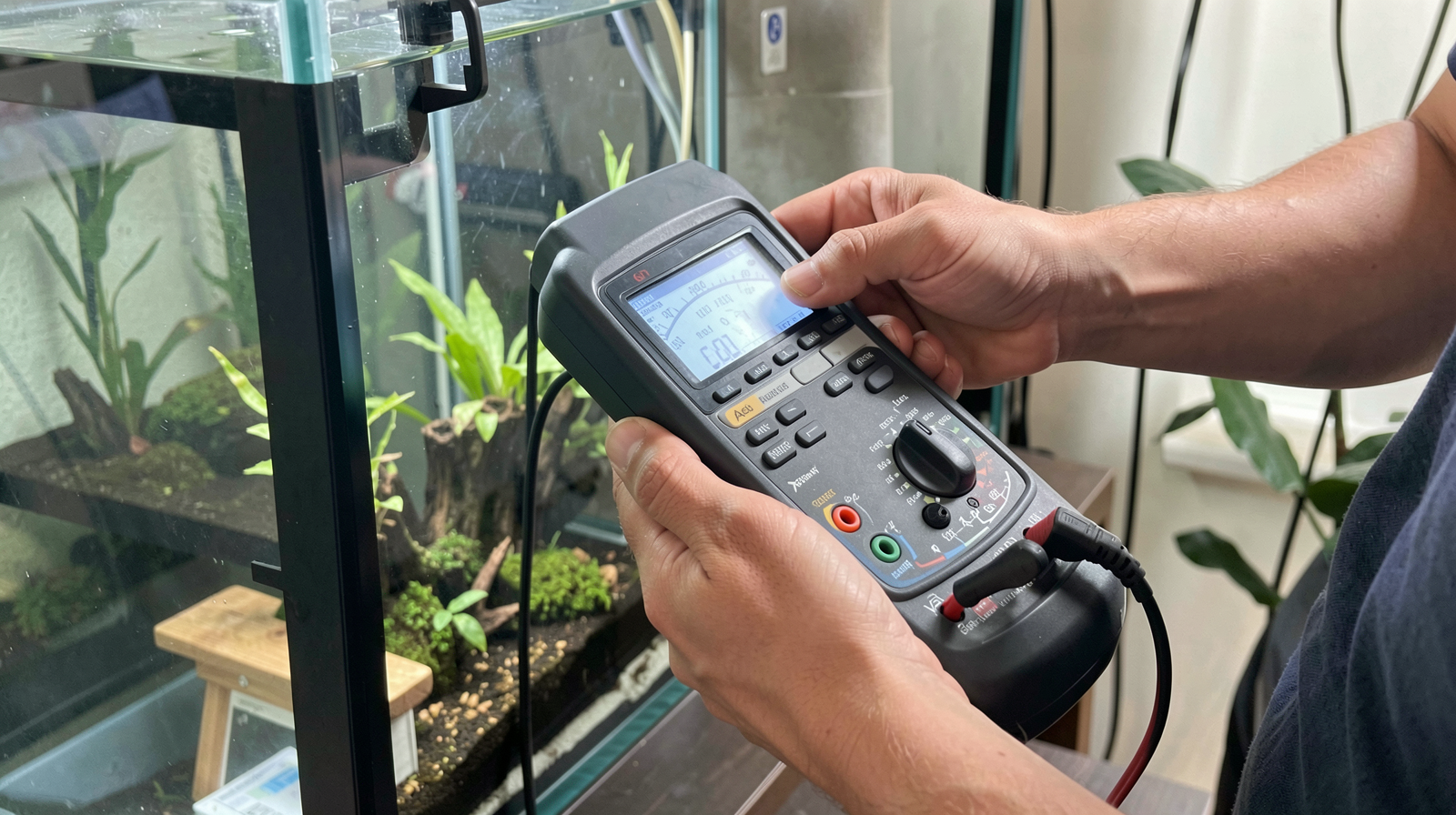
When we talk about the Kessil AP9XE, the big shift isn’t just that it’s “brighter” than previous models—it’s how much control you have over the individual components of that light. In a lot of older systems, you had one “power” knob. If you wanted more blue, you got more everything else too. With this system, they are moving toward independent channel settings and IoT (Internet of Things) cloud control.
In plain English, this means you can tell the light to put out a specific amount of red or green without affecting the intensity of your actinic blues. It also means you can manage your lighting schedule from an app on your phone rather than fiddling with physical buttons every time you want to tweak a sunset effect. For most people, “more control” sounds like a headache, but in a reef tank, it’s about precision. You can simulate the way light actually changes as the sun moves across the sky, which helps keep the corals from getting stressed by sudden shifts in intensity.
Spectrum Talk: Making it look natural vs. just making it bright
One of the biggest mistakes I see people make is thinking that “bright” equals “good.” You can have a light that is incredibly powerful but makes your reef look like it’s sitting under a fluorescent office bulb. That happens when the spectrum—the specific mix of colors in the light—is off. High-end systems like this focus on “color rendition,” which is basically making sure the corals look like they do in the ocean, not like plastic toys.
To get that natural shimmer and depth, you need a balance between high-intensity blue for growth and the softer wavelengths that bring out the hidden colors of the coral tissues. If your light is too heavy on one side, your fish might be fine, but your corals will look washed out or dull. It’s about finding that sweet spot where the water looks clear and the reef looks vibrant without looking “neon.”
Tuning the light: A practical approach over a quick fix
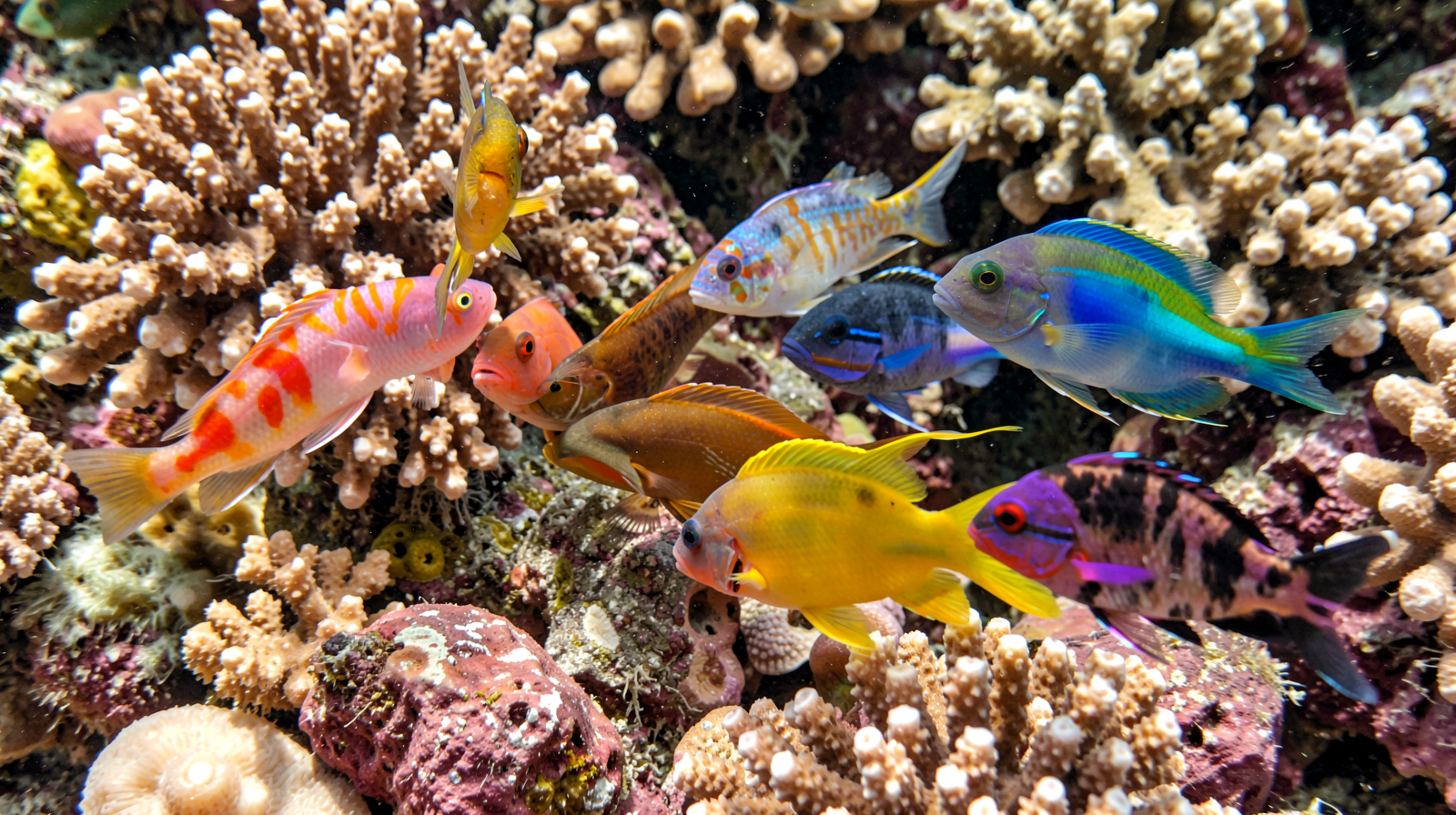
If you do decide to jump into high-end lighting, don’t just turn it on at 100% and hope for the best. That’s how you end up with bleached corals or a tank that looks like a rave. The goal is a gradual transition. When I integrate new gear into my setups, I focus on three things:
- Intensity Ramps: Use your controller to slowly “wake up” the light over an hour in the morning and “dim down” at night. This mimics the natural cycle of the day.
- DLI (Daily Light Integral): Instead of just looking at a percentage, try to think about how much total light your corals are getting over a 12-hour period.
- Flow Synergy: Remember that as you increase light intensity for growth, your corals will also need more water movement. You have to balance the “push” from the lights with the “pull” of your wavemakers or powerheads.
| Adjustment Type | What it does | Why it matters |
|---|---|---|
| Sunrise/Sunset | Gradual dimming/brightening | Reduces stress on livestock and corals |
| Channel Balancing | Adjusting specific colors (Red/Green) | Improves the “look” of the reef without changing growth rate |
| Photoperiod | Total hours of light per day | Controls the primary growth cycle of your reef |
When is this overkill? Knowing your tank size matters.
I’m going to be honest: for a small nano-tank or a simple freshwater setup, spending thousands on an AP9XE is generally a waste of money. If you aren’t trying to grow high-end SPS (Small Polyp Stony) corals or very demanding LPS, a much simpler and more affordable LED fixture will do the job perfectly well. You should only consider this level of investment if your goal is a true reef environment where light quality directly dictates whether your livestock survives and thrives.
Before you pull the trigger on high-end gear, ask yourself if you’ve mastered the basics first—water chemistry, stable temperatures, and consistent flow. Lighting is a tool to help achieve a specific result; it isn’t a shortcut that replaces good maintenance. If you’re still figuring out your “why” for this tank, stick with reliable, mid-range gear until you know exactly what goals you want to hit.
If you’re feeling overwhelmed by the sheer amount of gear options available and need a hand figuring out what fits your specific space, check out our aquarium wizard tool to see which components actually make sense for your setup.
Source: Reef Builders
Get new newsletter issues, guides, and product updates by email.